



The Fourteenth Amendment and Racial Justice
In this third of three videos produced by ACLU of Delaware, community leaders discuss the importance of the Fourteenth Amendment.
In this third of three videos produced by ACLU of Delaware, community leaders discuss the importance of the Fourteenth Amendment.

Fear and assumptions keep racism alive, but connection can break the cycle. SDARJ’s Joe Lawson joins Faith, Hope & Stories to talk criminal justice, education equity, faith, and the books that help us understand. 🎧 Listen now.

With the holidays approaching, this is the perfect chance to find meaningful, one-of-a-kind gifts while supporting a cause that matters. Our goal is to raise $5,000, and every bid helps fund SDARJ’s work advancing racial justice, education, and community connection across Southern Delaware.
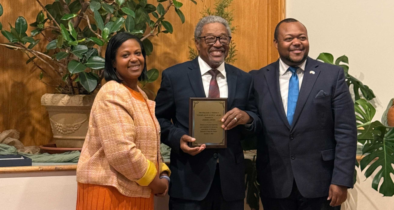
SDARJ Executive Director Joseph Lawson receives the Delaware Center for Justice’s “Exemplar of Justice” Award