

True Justice, or a Slap on the Wrist? Two former Millville firefighters charged with felony hate crimes walk away with probation.
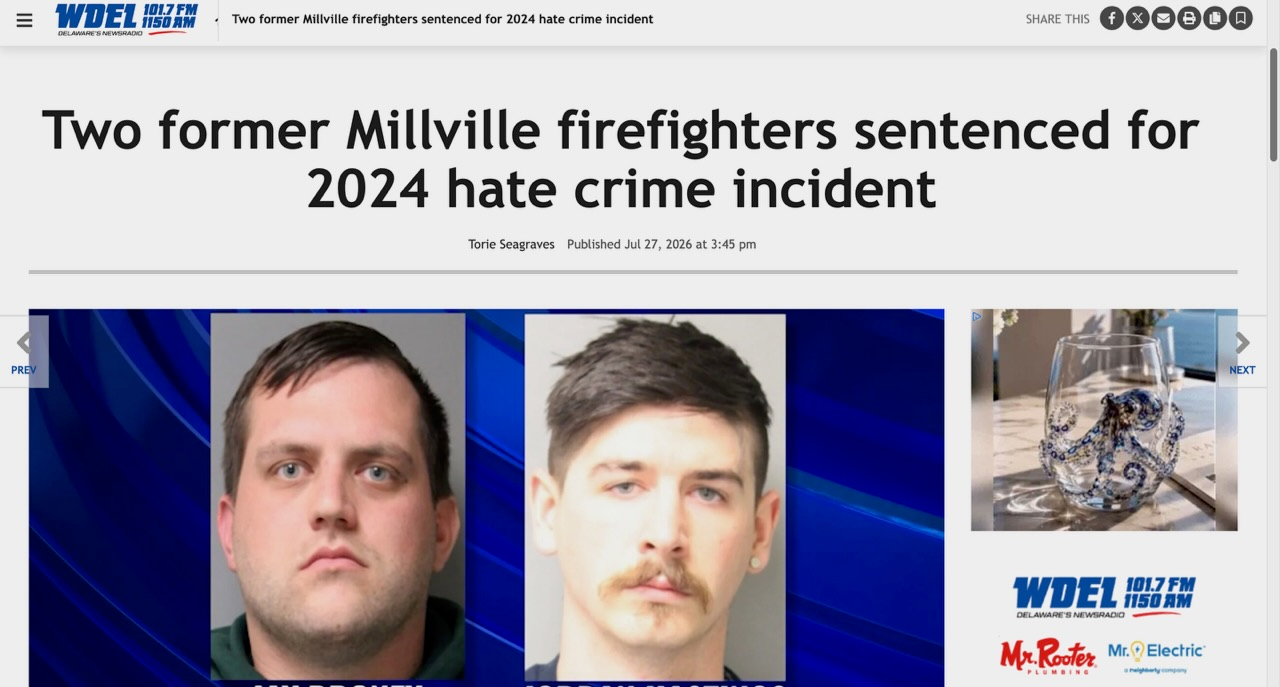
In February 2024, two Millville firefighters, members of the Millville Volunteer Fire Company, chased a Black colleague while brandishing a rope tied into a noose. Delaware State Police recognized the act for what it was and charged Jay Droney and Jordan Hastings with felony hate crimes. This month, more than two years later, those cases finally closed — and the outcome should give our community pause.
Droney was sentenced to one year of Level 3 probation on each of two counts of harassment, along with community service, and ordered to have no contact with the victim or the fire company. Hastings’ case ended earlier with a guilty plea to third-degree conspiracy and harassment. Neither man served a day in jail. Felony hate-crime charges gave way to harassment convictions and probation.
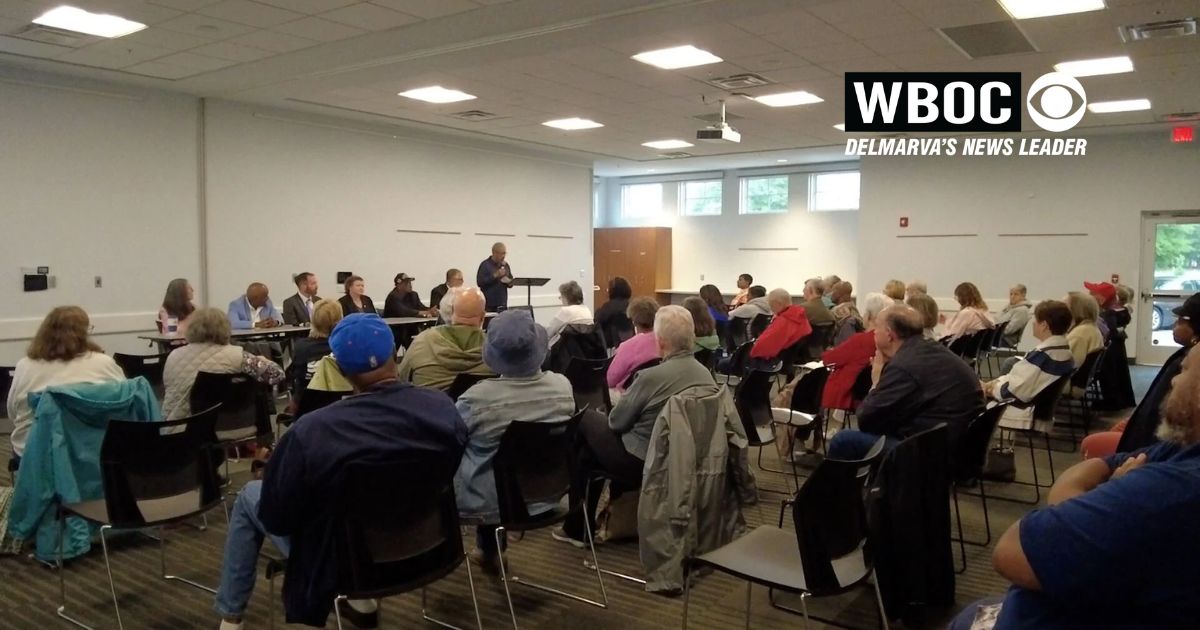
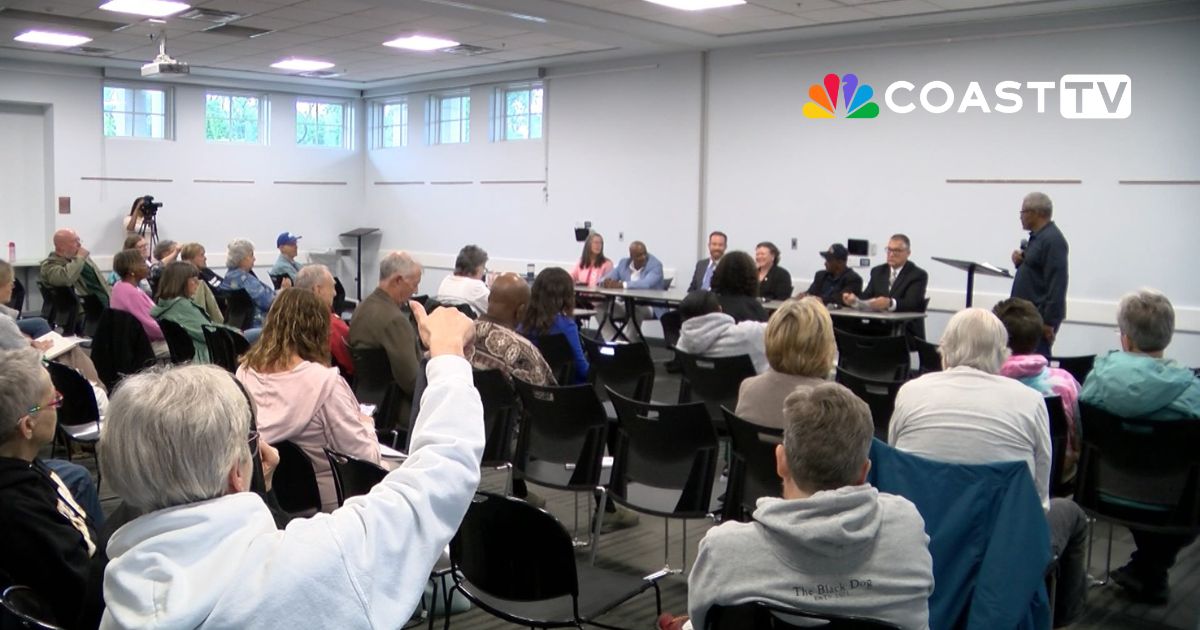
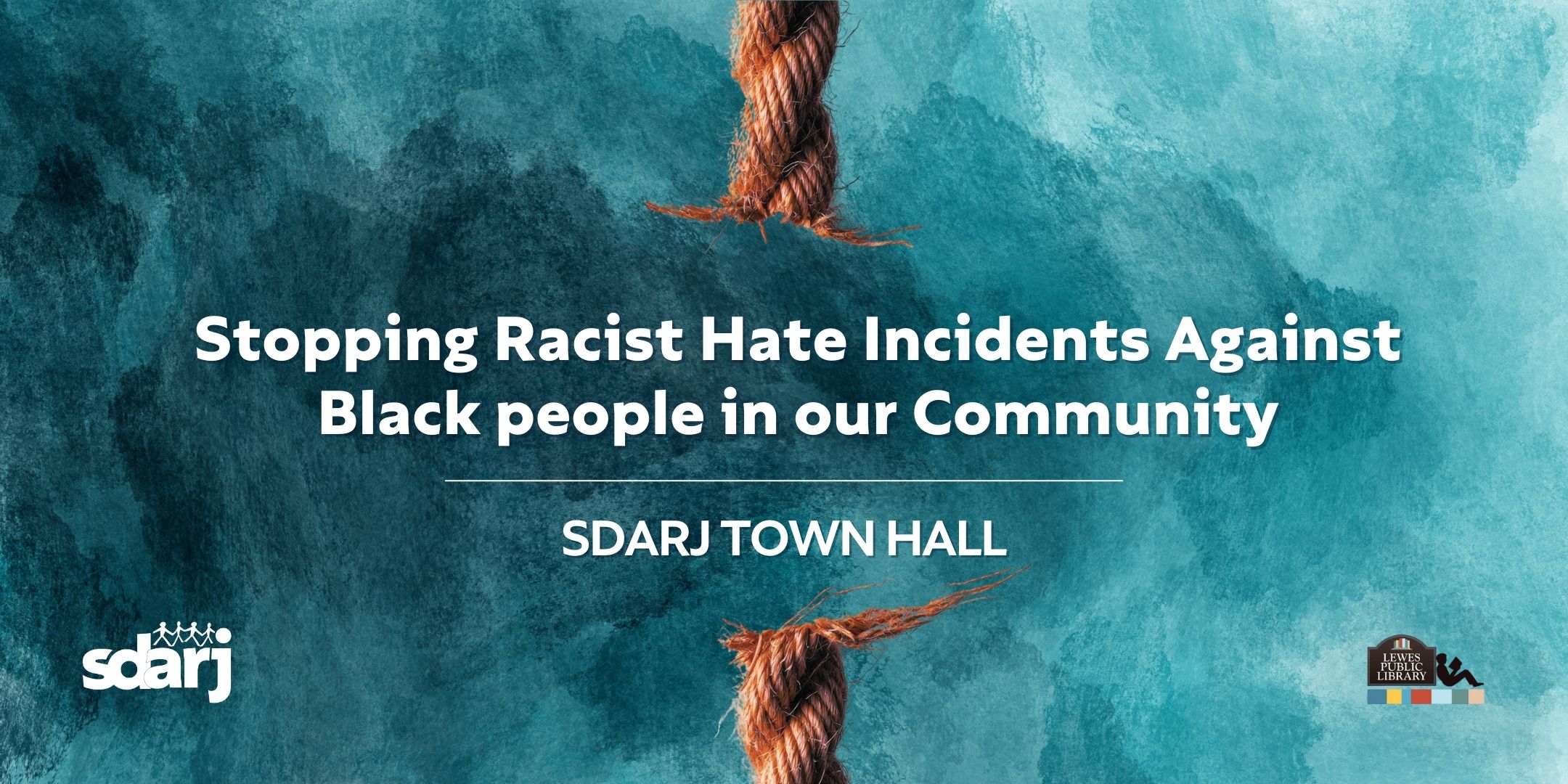
Some actions were taken. Both men lost their memberships within a day of the internal investigation, and the response of the Millville Volunteer Fire Company was exemplary. It overhauled its policies, added anti-harassment and anti-discrimination training, and gave its board greater authority to act swiftly on serious misconduct — reforms SDARJ supported at a community town hall we hosted, where department representatives came to explain their zero-tolerance policy to the public. Accountability of a kind did arrive.
But we must ask plainly: is probation true justice, or a slap on the wrist? A noose is not a prank. It is one of the most menacing symbols in American history. Between 1865 and 1950, more than 6,400 Black people — including women and children — were lynched in this country, at least one of them here in Delaware. The noose was an instrument of intimidation and white supremacy, and to be chased with one is no less terrifying than to be chased with a gun. Chasing a Black man with a noose is an act of terror, not mischief. Had two Black men chased a white colleague with a noose, would their punishment have been so lenient?
For these reasons, SDARJ has questions for the Delaware Department of Justice, which negotiated the plea agreements:
- Did the sentences reflect the fear, humiliation, and lasting trauma reportedly inflicted on their Black colleague — and what weight did prosecutors give that harm?
- Did prosecutors face evidentiary problems that made a conviction on the original hate-crime charges uncertain?
- Did the plea negotiations produce the best result legally possible, or did they reduce a racially threatening act to something the system treats as minor?
- If chasing a Black man with a noose is not a hate crime or incident, what conduct would be?
- Would the outcome have been different had the victim been physically injured — and must someone be physically harmed before the law treats racial terror as serious?
- Does probation provide meaningful accountability?
- Was the victim consulted about the plea agreements and sentences?
- Were the men required to take part in racial-bias education, meet with civil-rights advocates, or learn the history the noose represents?
- Can Sussex County build trust across racial lines without transparent answers to these questions?
When a felony hate crime is resolved with probation and community service, we are entitled to ask what message that sends — to the victim who lived it, to anyone tempted to imitate it, and to every Black Delawarean asked to trust that the system takes their safety seriously. SDARJ, which called for jail time when these arrests were announced, will keep watching, keep asking, and keep insisting that hate incidents and hate crimes be treated as the serious matters they are.