

From the Ballot to Breakthrough: Black Voting Power in Delaware
Published April 29th | Reading time: 5:16
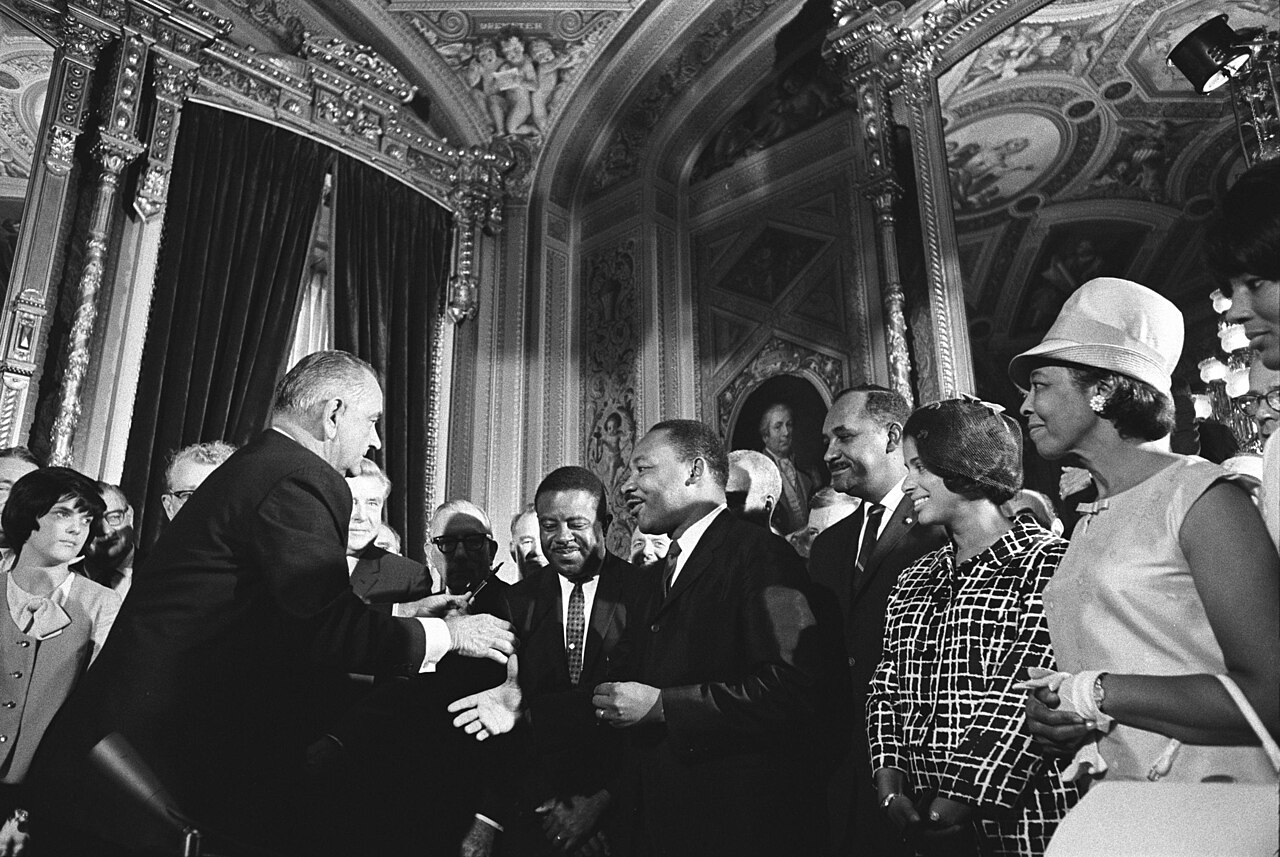
For Black Delawareans, the right to vote was not truly reliable until 1965. The Fifteenth Amendment had existed for generations, but in practice Black citizens still faced intimidation, barriers, and unequal access. The Voting Rights Act of 1965 changed that — making voting rights enforceable, not just theoretical. And once the vote became real, it became a lever for change.
Delaware’s Black community makes up approximately 22–23% of the state population — one of the highest percentages in the nation, ranking Delaware among the top ten states. That is not a footnote. It is political power. And since 1965, Black Delawareans have used that power to build representation at every level of government — from small-town councils to the United States Senate.
Here is that story — told in names, offices, and milestones that too many people have never heard.
Firsts That Paved the Way
Every movement has its trailblazers. In Delaware, these firsts mattered enormously:
- Chester Waller — Chester Waller was the first African American to hold elected office in Delaware, serving as Town Council Chair in Laurel. He was also a principal in the Dover school district — a community leader in every sense. His election is the kind of milestone we too often overlook, but should never forget.
- George Wright — George Wright became the first Black mayor in Delaware, serving in Kent County. His election showed that Black political leadership was not confined to a single city or region.
- George H.P. Smith — George H.P. Smith was elected the first African American mayor of Lewes in 1994, after 18 years of service on the city council. He was reelected multiple times and his legacy was honored when Block House Pond Park was renamed in his honor in 2003.
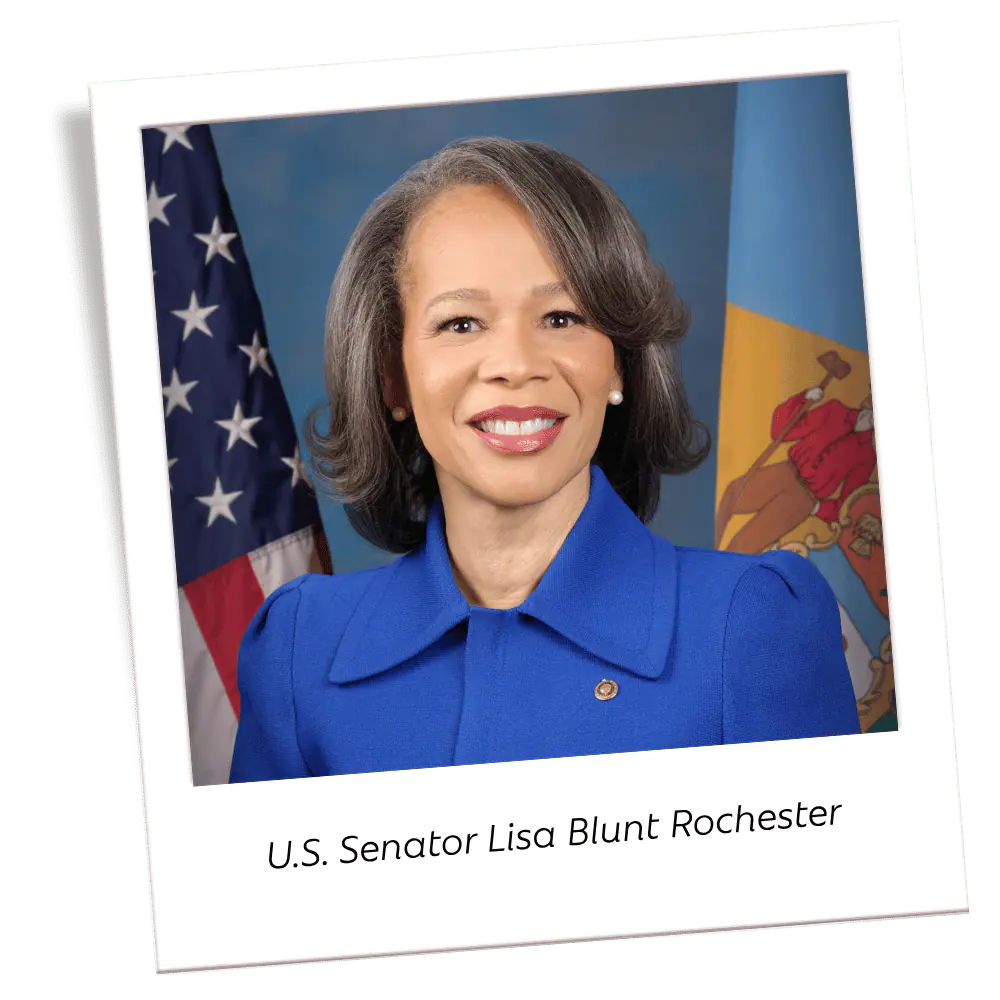
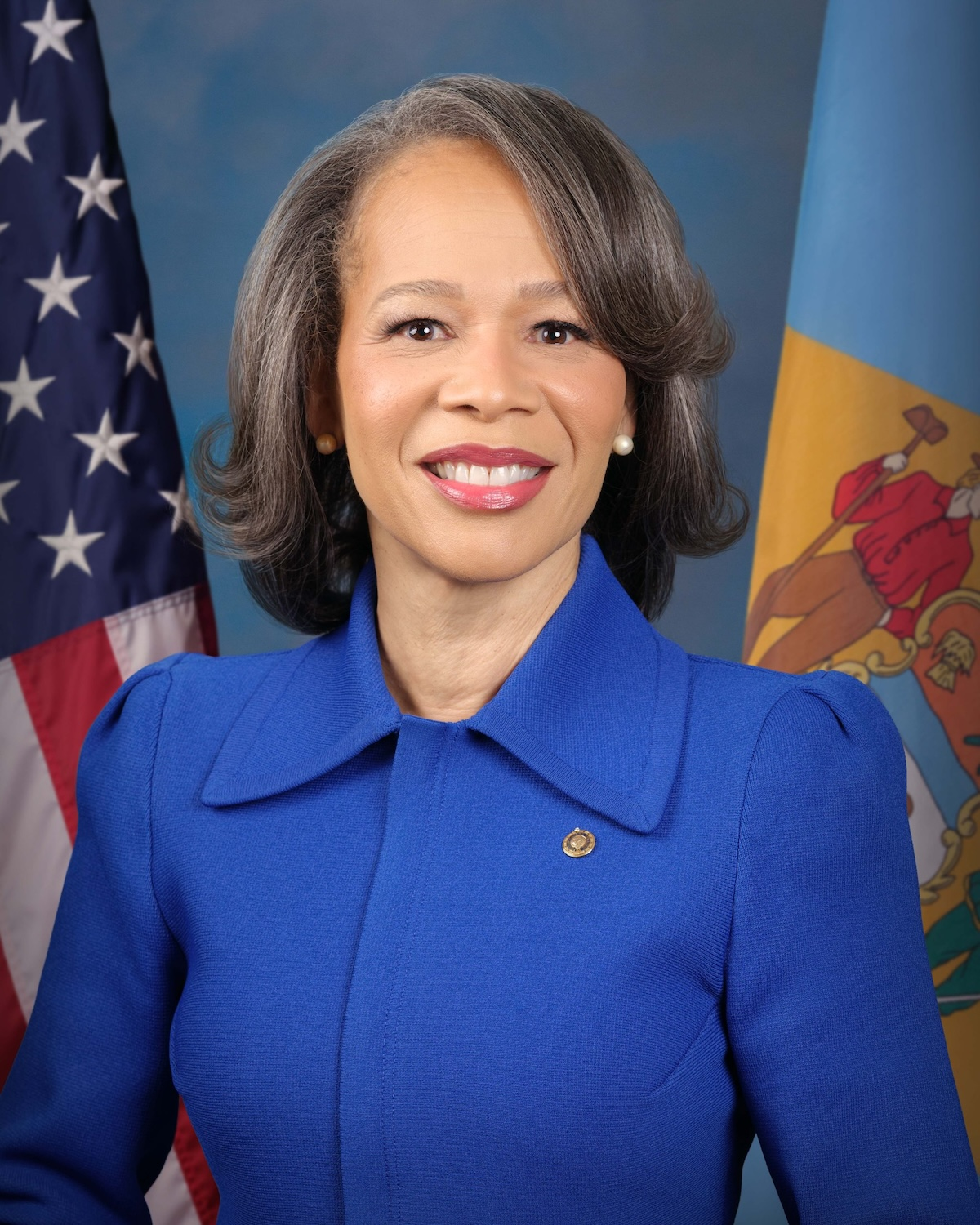
- Lisa Blunt Rochester — Lisa Blunt Rochester became the first Black person elected to Congress from Delaware in 2016. In 2024, she won election to the U.S. Senate — making history as the first woman and first Black person to represent Delaware in the Senate.
A Multigenerational Legacy: The Fisher Family of Laurel
One of the most remarkable stories of Black political power in Delaware is the Fisher family of Laurel — a three-generation legacy of civic service that demonstrates what sustained engagement looks like.
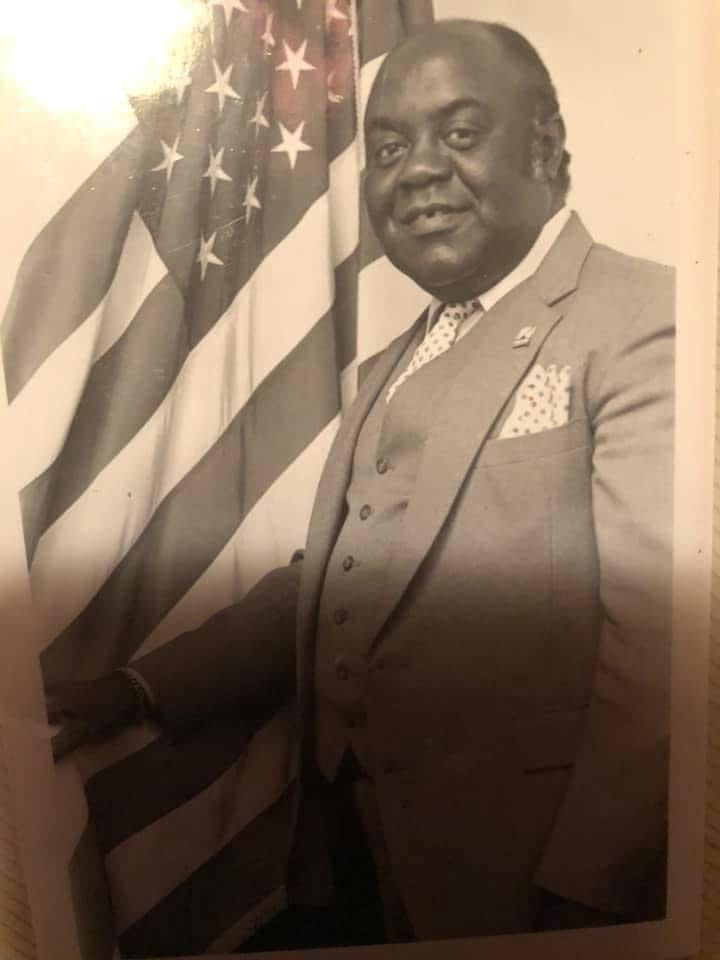
- Roger Fisher served as Mayor of Laurel, helping establish Black leadership in Sussex County municipal government.
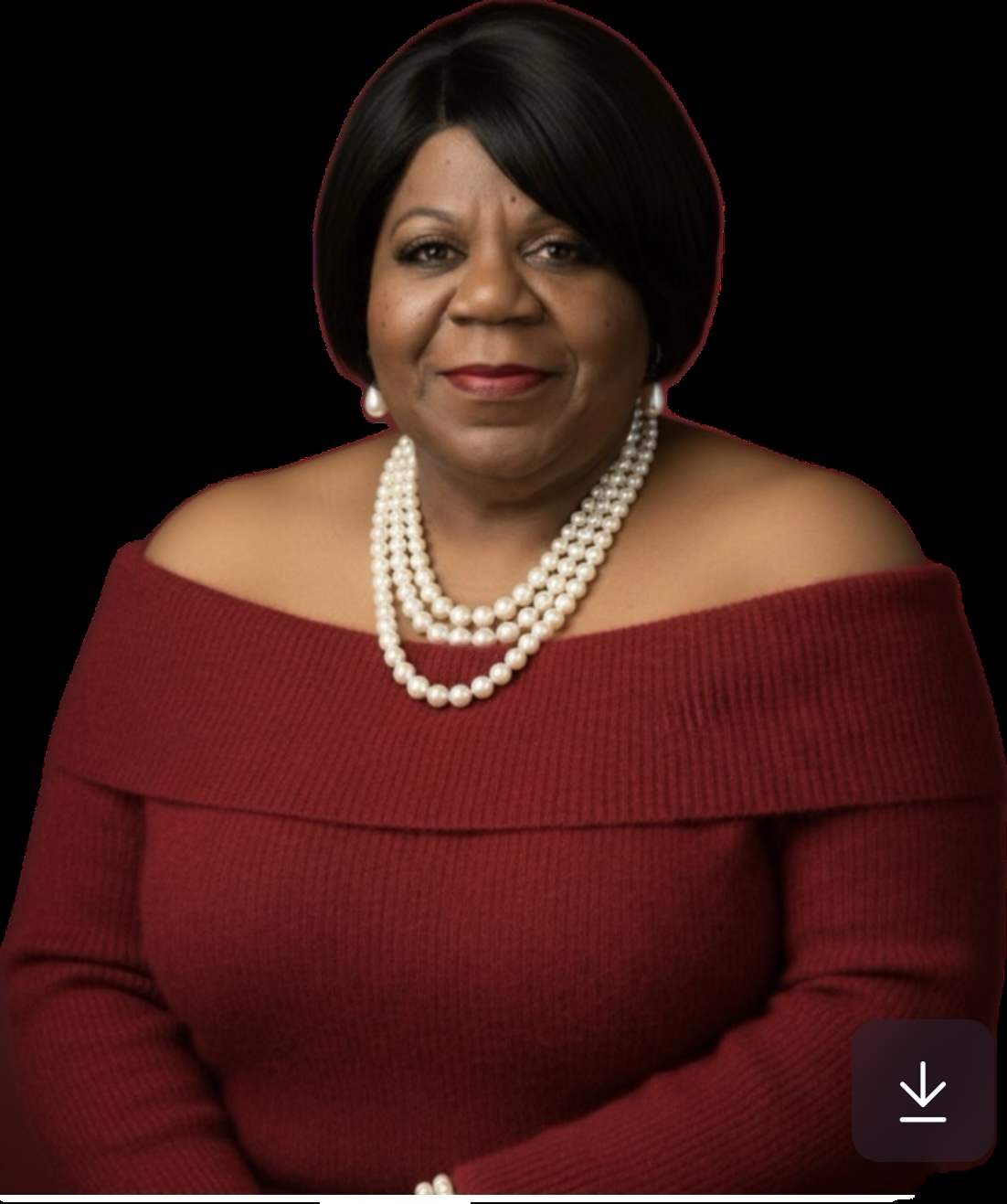
- Robin Fisher, Roger’s daughter, served on the Laurel City Council for over 20 years — a record of dedication that shaped city policy for two decades.
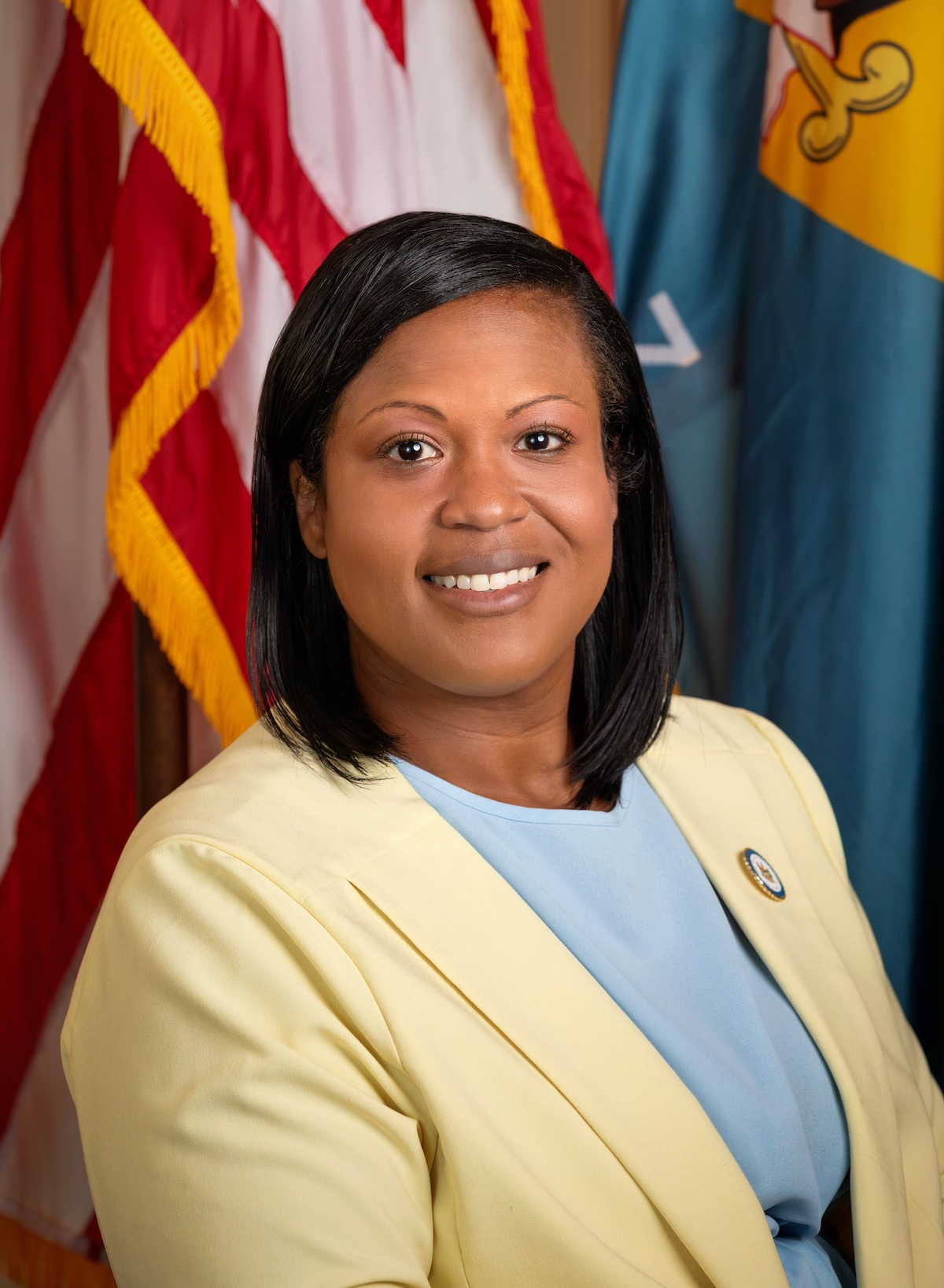
- Rogcenea Fisher, Robin’s daughter, was elected at age 26 to take her mother’s place on the council — making the Fishers a multigenerational family of Black elected officials in the same community. That kind of sustained, family-rooted civic engagement is rare and worth celebrating.
Sussex County: Breaking Barriers at the County Level
For decades, Black residents were represented locally but largely absent from countywide office in Sussex County. That changed in 2022.
- Greg Fuller — Greg Fuller was elected Sussex County Register of Wills in 2022, becoming the first African American ever elected to a countywide office in Sussex County. A U.S. Army veteran who retired as a First Sergeant, Fuller had previously served in the role by gubernatorial appointment. His elected victory in a countywide race was a historic milestone. (Note: Fuller is a Republican — a reminder that Black political power in Delaware crosses party lines.)
- Stella Selby Parker — Stella Selby Parker was elected to the Laurel Town Council in 2022 and reelected in 2024, continuing a tradition of Black representation in Laurel’s municipal government.
- Alonna Berry — Alonna Berry was elected in 2025 to fill the seat vacated by Selby Parker, who resigned due to illness. Berry’s election ensured continuity of Black representation on the council.
School Boards Matter Too
Representation does not stop at town halls and county offices. School boards shape education for the next generation — and Black Delawareans have been winning those races too.
- William Collick — William Collick has served on the Cape Henlopen School District board, bringing Black community voice to one of Sussex County’s most important governing bodies. School board elections are often overlooked, but they decide curriculum, school culture, and resource allocation. They matter.
Numerous other Black candidates have won seats on school boards across the state — each one a continuation of the principle that representation begins at home, in the institutions that shape children’s lives.
Statewide Progress: Delaware’s Power Is Growing
The arc of Black political progress in Delaware has not just expanded — it has accelerated:
- The Delaware House of Representatives is now led by Melissa Minor-Brown as Speaker of the House — a position of extraordinary institutional power.
- Lisa Blunt Rochester’s 2024 Senate victory was the capstone of a six-decade journey from the Voting Rights Act to the highest legislative body in the land.
- Black Delawareans are not only being elected — they are leading. That is the full arc of 1965.
The Vote Is Under Attack — Here in Delaware, We Must Defend It
We cannot tell this story honestly without acknowledging the threat. Nationally, voting rights are under sustained assault. On April 29, 2026, the U.S. Supreme Court gutted Section 2 of the Voting Rights Act in Louisiana v. Callais — the very provision that has served as the primary legal protection against racially discriminatory election maps since 2013. Republican-controlled states are already redrawing congressional maps to reduce Black representation. Louisiana suspended its own primaries after the ruling. Florida approved new maps the same day. Mississippi and Tennessee are moving quickly.
The Brennan Center has documented measurable racial turnout gaps in Delaware — including a widening gap in the 2022 midterms. Progress is real, but it is not self-sustaining. Rights that go unused can be weakened. Representation that is undefended can be rolled back.
► What You Must Do Right Now
- Vote in every election — primary, general, local. Every race counts.
- Bring your people. Help friends, neighbors, and family members register and get to the polls.
- Contact your state legislators. Tell them you expect them to protect and expand voter access — that means no-excuse absentee voting, early voting, and same-day registration. Delaware has made progress on these fronts; don’t let that progress erode.
- Show up locally. School board races, town councils, and county offices are where democracy starts. The Fisher family proved that. Greg Fuller proved it. Chester Waller proved it more than half a century ago.
- Support SDARJ and allied organizations that educate voters, fight for fair elections, and hold elected officials accountable.
From Chester Waller in Laurel to Lisa Blunt Rochester in the U.S. Senate — from the Fisher family to Greg Fuller’s historic countywide win — the message is the same: the vote has power, and that power has already changed Delaware. But power must be exercised to be preserved. Keep voting. Keep organizing. Keep showing up.
Sources & Notes
- Black population figure: approximately 22–23% (2024 ACS estimates; multiple sources cite 21.4–22.7%). The figure of 23.8% cited in some sources may reflect broader multiracial counts or older estimates — the current most-cited figure is approximately 22%. Delaware ranks 8th nationally in Black population share.
- Greg Fuller’s name was confirmed via Sussex County official biography (sussexcountyde.gov). He is Greg Fuller Sr., not Greg Willis as sometimes referenced.
- Original article: “From the Ballot to Breakthrough: Black Voting Power in Delaware” | Rewritten and expanded for SDARJ website, May 2026.