



The Cultural Influence of African American Music in America
By Tracey Jarmon | This article was originally published in Volume 18 of Black Voices. | Estimated reading time: 6:22
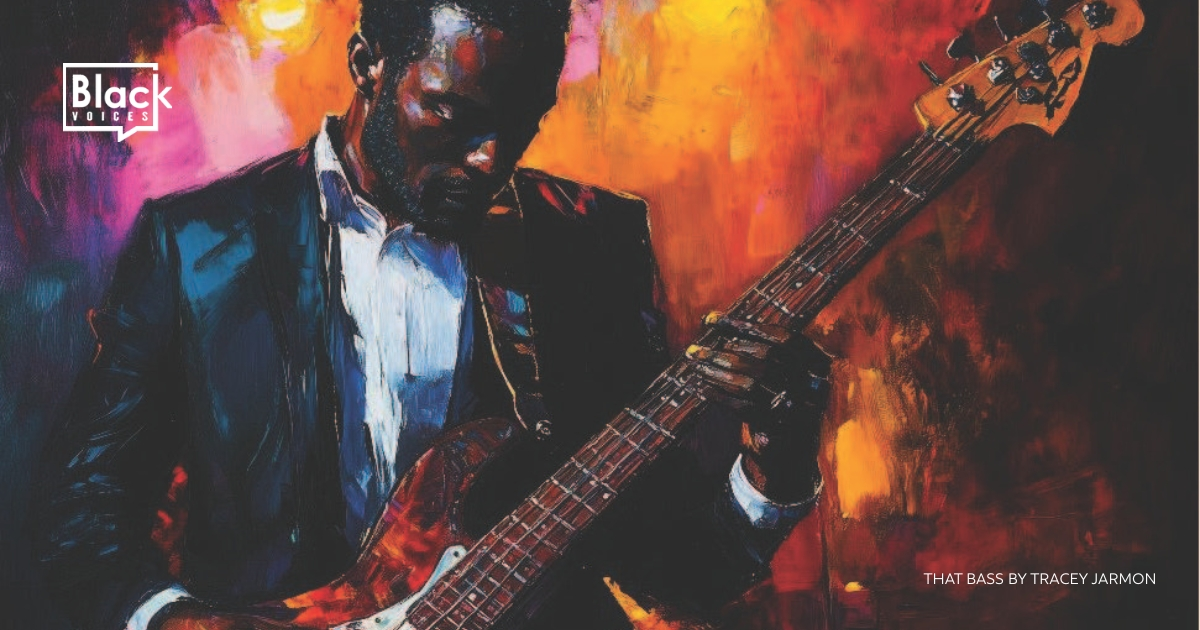
American music is a mosaic of sounds and rhythms rooted in churches, juke joints, fields, and city streets. It pulses with the history of oppression and hardship. When dignity was stripped away and survival was criminalized, music became the last sanctuary for freedom. Every American genre—jazz, blues, gospel, country, rock and roll—is born from the voices of the oppressed. These genres were frequently repackaged for white audiences and industry profits. This story is not just about music; it is the contrast between creator and beneficiary. It reminds me of a familiar saying in the Black community, “They want our rhythm but not our blues.”
The Blues
Before discussing the impact of other genres, it’s important to recognize the foundational role of the Blues. Blues is the mother tongue of American music. Emerging in the late 19th century in the Deep South, it echoed spirituals and work songs that eased the monotony of grueling field labor. Emancipated Southerners lived in a fragile space between newfound freedom and the terror of lynching, beatings, and relentless opposition. Poverty, racism, and survival shaped daily existence. The Blues captured those realities.
W.C. Handy, often called the “Father of the Blues,” helped to crystallize the genre. Ma Rainey, Bessie Smith, Charley Patton, and Robert Johnson shaped the emotional landscape of stories of love, betrayal, and survival. During the Great Migration (the time between 1910 and 1970 when Black people migrated North to escape Jim Crow and segregation), Blues traveled North, creating a buzz that the music industry was eager to profit from. White labels recorded these songs, stripped them of the context, and marketed them for commercial success. The financial gains were rarely awarded to the Black creators who often died in poverty. This formula still stands today.
Jazz
Jazz defied the rules. American classical music is a collective ensemble operating in soloist form. Jazz was considered immoral and crude because it improvised, played with timing, and embraced individuality and improvisation. It reflected the movement and adaptability of a growing Black consciousness. There was freedom in jazz that was considered threatening. It was considered dangerous or radically chic to cross those lines.
Once jazz crossed over (embraced as “classical music” by white intermediaries), the pioneers like Duke Ellington, Charlie Parker, Thelonious Monk, Miles Davis, and John Coltrane were welcomed into the rooms. They ushered jazz into modernism, abstraction, and spiritual exploration. Following this acceptance, white jazz bands attained gigs in top-tier venues that Black bands could not. And when Black bands did play in those establishments, they performed in front of all White audiences, had to enter through the back door, and couldn’t use the restrooms. Radio popularized Black musicians’ music, which white bands covered. Critics of the time propped up white artists as intellectual and criticized Black artists as instinctual. Today, jazz is celebrated, but only after it was filtered through whiteness.

Country
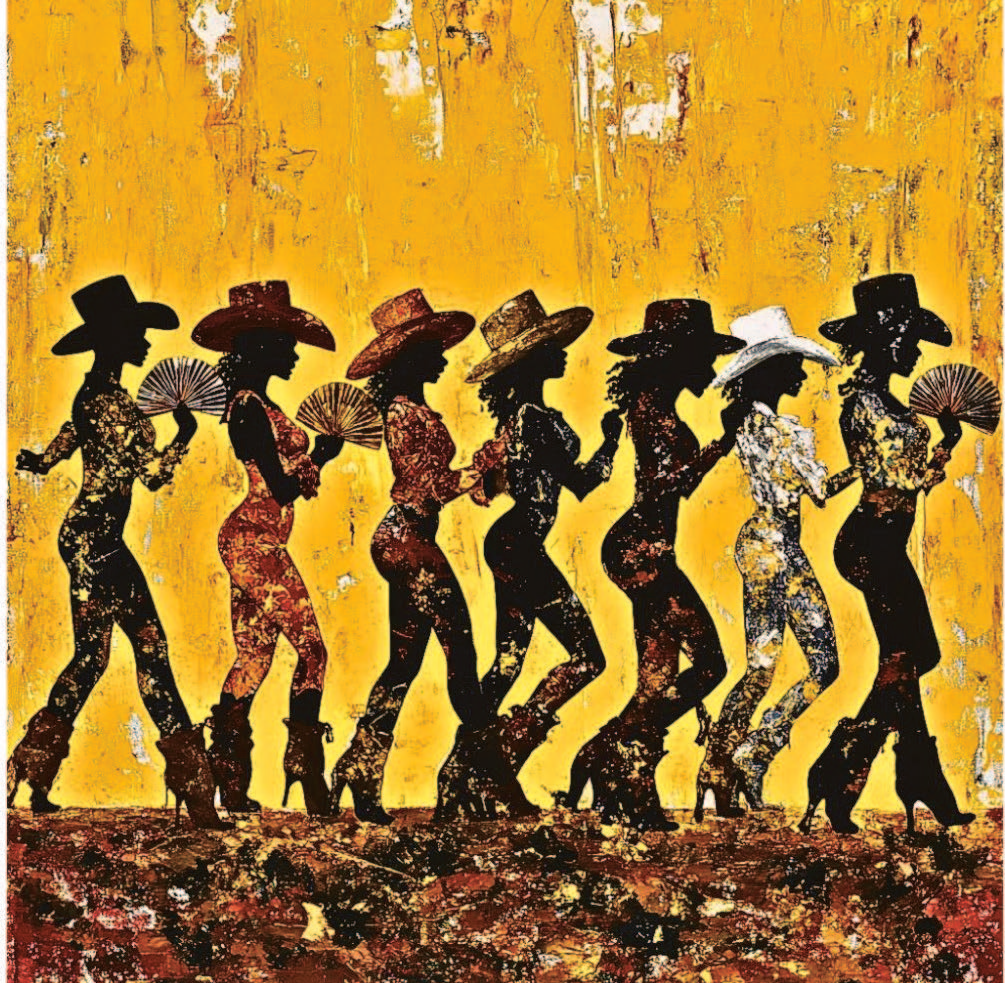
Most people equate Country music with the white rural South. This is a misleading concept. The banjo is the foundation of early country music. The banjo, drums, flutes, and rattles originated in West Africa and were recreated in America using local materials. Enslaved banjo players, fiddlers, guitarists, and harmonica (horn) players entertained during community gatherings long before Country was considered a white genre of music.
Boots on the Ground
One of the Grand Ole Opry’s founding performers was a Black man named DeFord Bailey. He was a harmonica virtuoso who was eventually pushed out due to racism. The Carter Family (Considered the first family of country, bluegrass, and folk music) was tutored by and heavily influenced by DeFord Bailey. Bailey was a Black man who contributed to the family’s success but received little recognition. Arnold Schultz, a Kentucky guitarist, influenced white players such as Merle Travis, Ike Everly, and Kennedy Jones. Bill Monroe (The Father of Bluegrass), who was mentored by Schultz, admittedly adopted his runs and thumb-picking techniques, which shaped the sound of modern country music and the future of rock ‘n’ roll.
As the genre matured, Black country music was labeled “race music”. The music was similar in sound but divided by color. Black country musicians did not see the exposure or commercial success of their White counterparts. Except for Henry Glover, Charlie Pride, and Linda Martell, Black country musicians were shut out. In a segregated America, one becomes the money-making standard and the other, taboo. Today, we can count on our hands the Black Country artists who have received acclaim.’
Rock and Roll
Rock and roll existed before The Ed Sullivan Show in 1956, featuring Elvis Presley.
Sister Rossetta Sharpe combined gospel and electric guitar years before rock had a name. She, along with Little Richard, Chuck Berry, Fats Domino, and Bo Diddley, built the foundation.
Rosetta Sharpe was the first artist to record using heavy distortion on her electric guitar. She combined gospel and electric guitar accompaniment, ushering it out of churches into concert venues. She is credited with a heavy influence on British Blues. Her tour with Blues Legend Muddy Waters in 1964 has been cited by artists such as Eric Clapton, Jeff Beck, and Keith Richards of The Rolling Stones. She was aptly named “The Original Soul Sister.”
Little Richard’s music combined rock and roll, pop, and funk. His influences inspired The Beatles, Mick Jagger, David Bowie, Elton John, Jimi Hendrix, and many others. Many of whom have directly spoken about his impact. He is known as “The Architect of Rock and Roll” and was inducted into the Rock and Roll Hall of Fame in its first class.
Rock and roll, like most genres, began in Black spaces and was dismissed as “devil music.” As it gained popularity among white audiences, it became accepted. White artists were elevated to fame while Black pioneers faded into obscurity, best exemplified by the rise of Elvis Presley.
Today, Elvis is known as “The King of Rock and Roll but Elvis didn’t agree. In a 1992 interview with Tom Jones, Elvis stated that Fats Domino and Chuck Berry were the originators of Rock and Roll. He said that Chuck Berry should have that title.
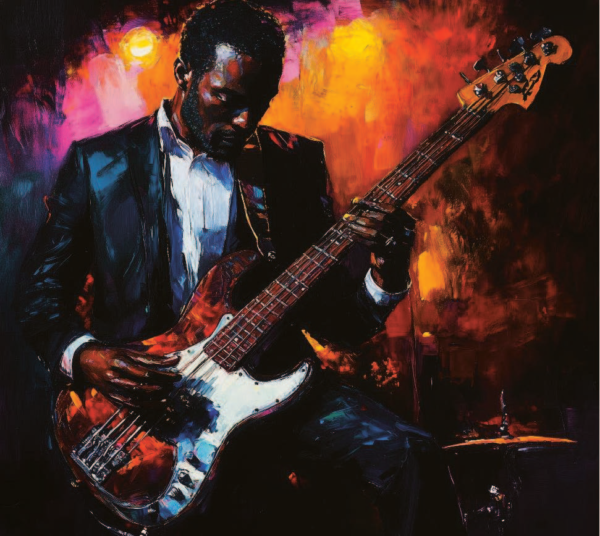
That Bass
Rhythm and Blues
R&B was not created from a single source. It was a combination of Blues and Jazz. Early pioneers of the sound included Louis Jordan, Ruth Brown, Fats Domino, and Ray Charles. The term R&B replaced “Race Music” on the charts. Its definition remained the same. R&B music describes music marketed to Black audiences.
The term “Blue Eyed Soul” was coined in the 1960s. It’s defined as R&B music performed by White artists. The Righteous Brothers, Hall & Oats, and Simply Red are artists who have successfully blended pop with soulful sounds.
Rap Music
In the early 1970s, rap music began in the South Bronx, New York. It grew in popularity because of its infectious beats and relatable lyrics. DJ Kool Herc isolated instrumental breaks from funk and soul records that led to talking and rhyming over the tracks. It has become a cultural phenomenon that influences other areas of culture, including music, fashion, politics, and social consciousness.
Much like its Blues grandfather, rap echoed the voices of the oppressed and disenfranchised. And, just like the Blues, Rap was created in the community as a form of relief from daily struggles. Some of the pioneers of early rap were The Sugarhill Gang, Grandmaster Flash and the Furious Five, and Kurtis Blow. As it evolved, the message became empowerment. Public Enemy, Boogie Down Productions (led by KRS-1), De La Soul, A Tribe Called Quest, Brand Nubians, The X Klan, and Poor Righteous Teachers, advanced a narrative of Black Pride and untold history reminiscent of the 1960s Civil Rights Movement. This form of Rap was essentially replaced with Gangsta Rap. Gangsta Rap started on the West Coast. Initially, West Coast Rap discussed a similar struggle. It didn’t glorify violence as a way of life, but rather addressed living conditions faced in neighborhoods of color. Gangsta Rap was born, and we haven’t looked back.
Today’s Rap glorifies violence, flaunts materialism, demeans women, and suppresses class awareness. This is intentional. Record companies, owned by White men, exploit the genre. Financial control dictates what is promoted and to whom. Rappers not conforming to negative stereotypes receive less recognition than those who demean themselves and their communities. Though most Rap artists are Black, 70% of consumers are White. If their exposure is limited to Rap, stereotypes and negative perceptions thrive.
The skewed telling of music’s origin has had a monumental financial impact. Unpaid royalties, stolen songs, and rights to masters have enriched record companies and starved artists of their own creations. When Black children do not see the genius of their ancestors, they believe the brilliance doesn’t belong to them.
African American music is the foundation of all music. Without it, the world would be silent.

Tracey Jarmon
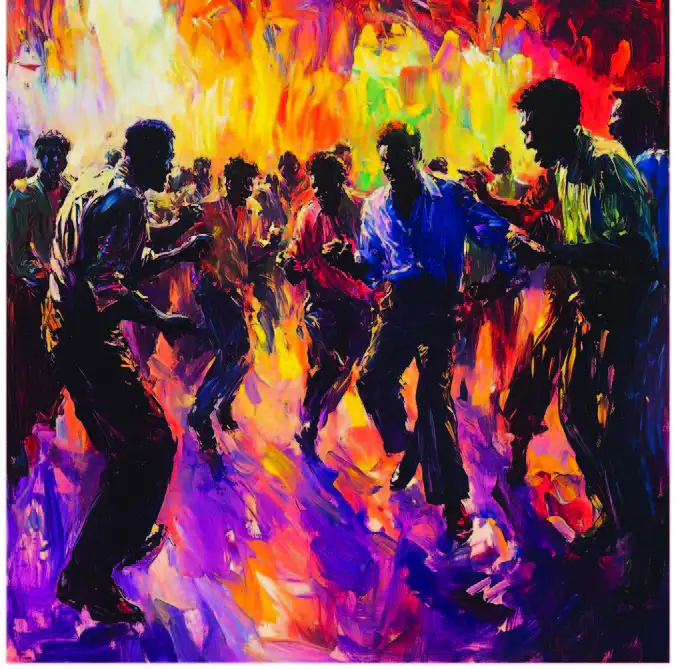
Shine a Light on Em
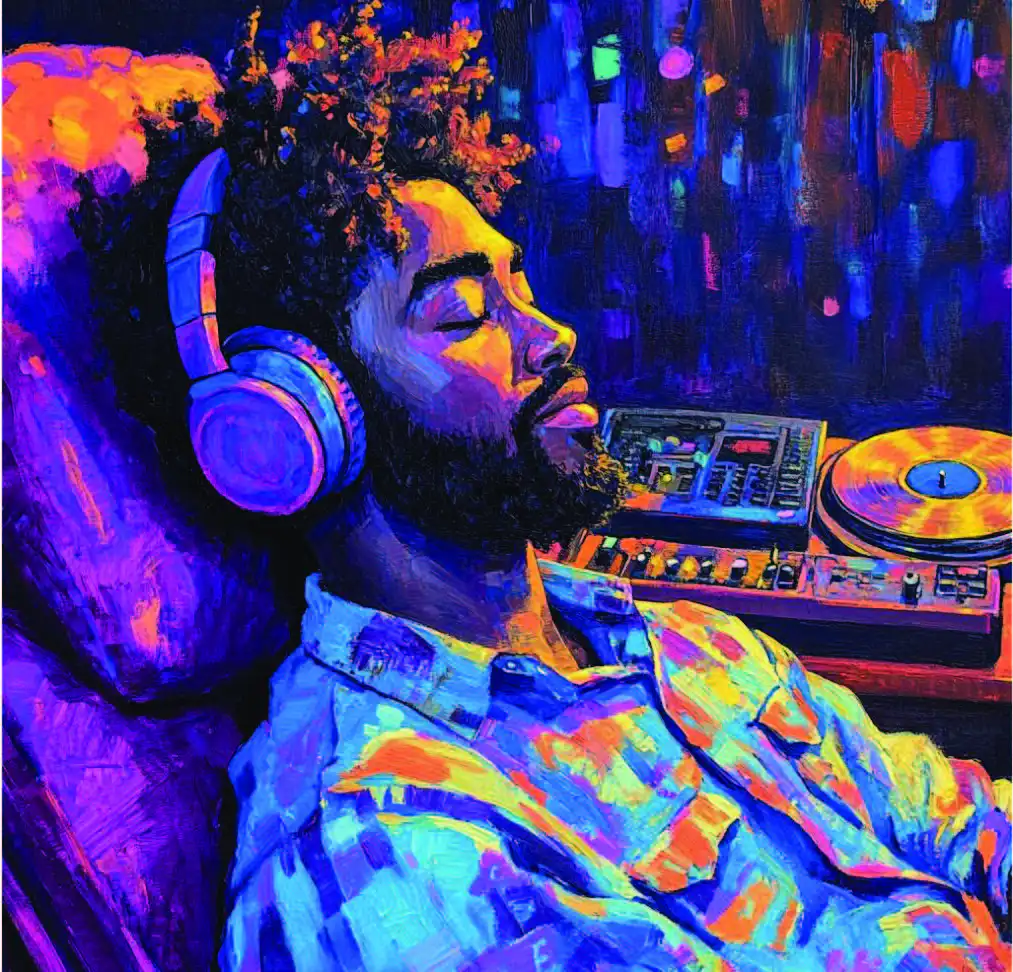
Must Be the Music
LEARN MORE
Sunday Best: The Untold Story of Ed Sullivan (2025)
Ed Sullivan broke barriers by booking Black artists on his Sunday night variety show. This documentary spotlights the TV pioneer’s legacy of equality.
This is the story of Ed Sullivan and how his stage helped change America. He used The Ed Sullivan Show to break barriers and bring Black artists into millions of homes at a time when few others would. It’s not just a television story.
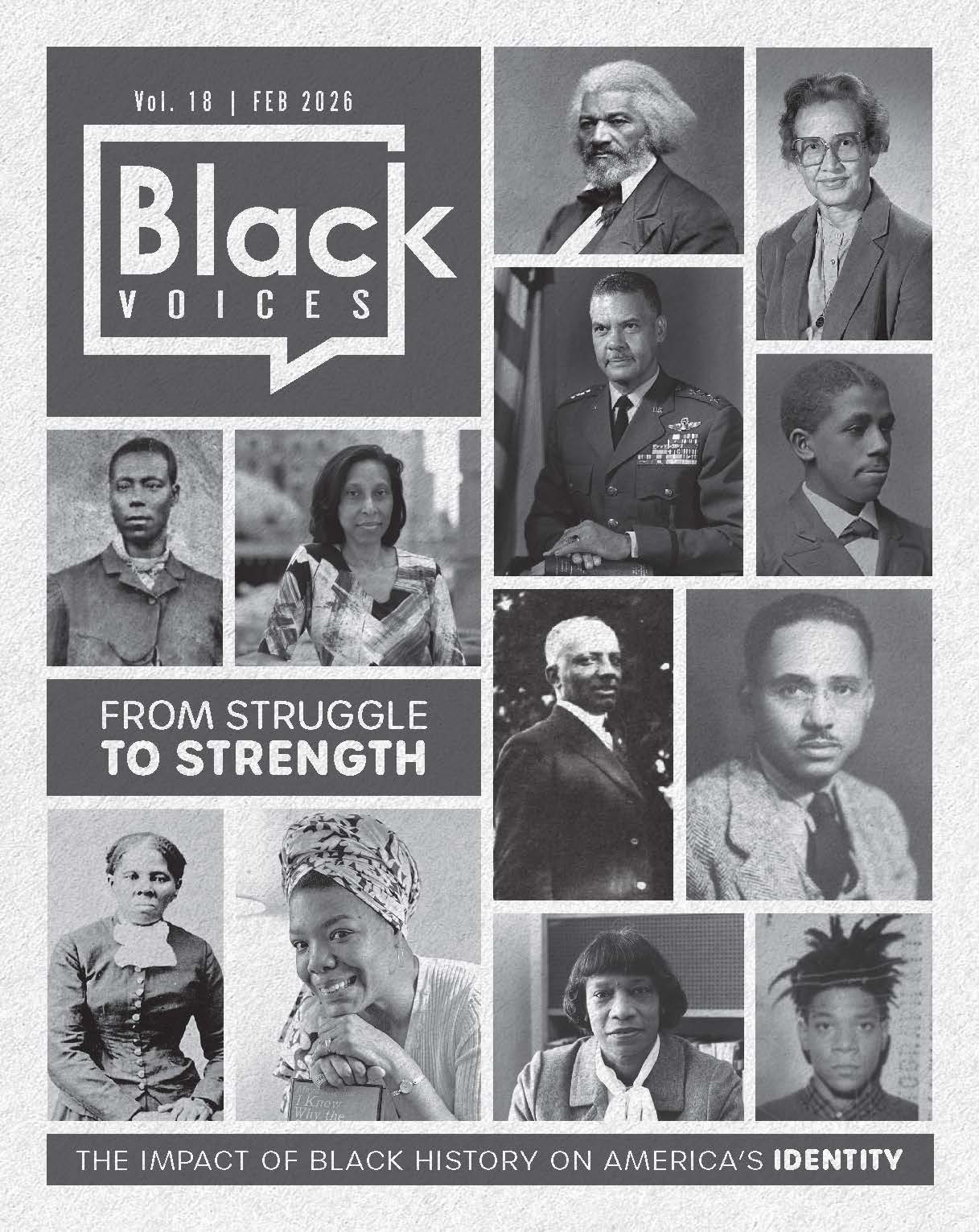
Black Voices Newsmagazine
Read the current issue of Black Voices and browse through previous volumes in the archives. A hard copy of Black Voices is being distributed as an insert for Cape Gazette subscribers.