


Celebrating the Black History of Memorial Day

“In the struggle over memory and meaning in any society, some stories just get lost while others attain mainstream recognition,”
– Dr. David W. Blight, a historian at Yale
The Origins of Memorial Day
At the April 1901 dedication of the General John A. Logan Memorial, speakers like President William McKinley and New York Senator Chauncey Depew spoke of the nation’s debt to General Logan for his General Order No.11, which in 1868 formalized the annual floral decoration of the graves on Memorial Day, also referred to as Decoration Day. While there is a historical debate over where and when the very first observation of Memorial Day took place, one of the earliest recorded observations of the holiday indisputably took place in Charleston, South Carolina, in the closing days of the Civil War.
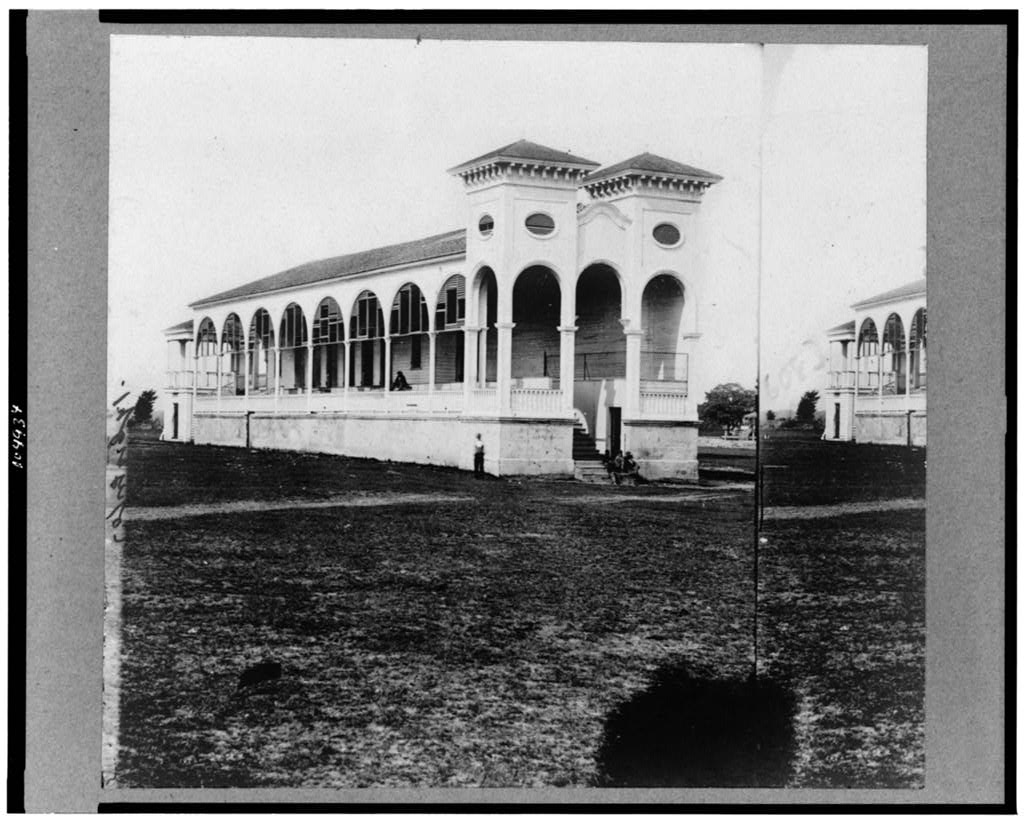
On May 1, 1865, the freed people of Charleston gathered at the old racetrack to decorate the graves of 257 Union prisoners of war who had been hastily buried by the retreating Confederate army. The largely African American crowd watched the men of the 35th and 104th United States Colored Troops (USCT), along with the men of the famed 54th Massachusetts Infantry Regiment, perform drills before listening to speeches addressing the meaning of the long and bloody war. When the ceremonies were finished, the crowd dispersed to lay flowers on the graves of the men who had died fighting for Union and for liberty. [1]
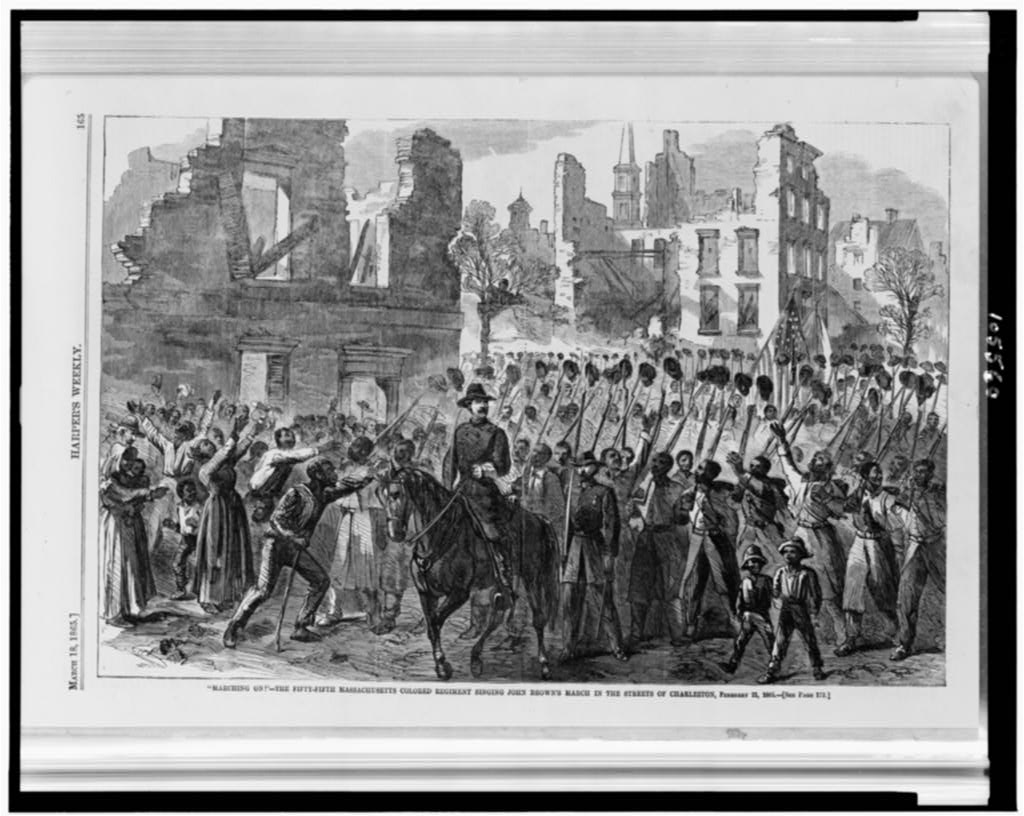
The 55th Massachusetts Colored Regiment singing in the streets of Charleston S.C. on Feb. 21, 1865. Union soldiers who advanced into Charleston, most of whom were members of the 21st United States Colored Infantry, were welcomed by former slaves celebrating their freedom.
Watch “The First Memorial Day with David W. Blight”
Time magazine wrote about the forgotten black history of Memorial Day by pointing to historians like the Pulitzer Prize winner David Blight, who have tried to “raise awareness of freed slaves who decorated soldiers’ graves, to make sure their story gets told too.” 2

The Unofficial History of Memorial Day The origins of the holiday were later suppressed
“The war was over, and Memorial Day had been founded by African-Americans in a ritual of remembrance and consecration,” Dr. Blight wrote in a 2011 essay for The New York Times.” The war, they had boldly announced, had been about the triumph of their emancipation over a slaveholders’ republic. They were themselves the true patriots.”
The African-American origins of the holiday were later suppressed, Dr. Blight found, by white Southerners who reclaimed power after the end of Reconstruction and interpreted Memorial Day as a holiday of reconciliation, marking sacrifices — by white Americans — on both sides. Black Americans were largely marginalized in this narrative.3
Click for the full article and scroll down for additional resources.
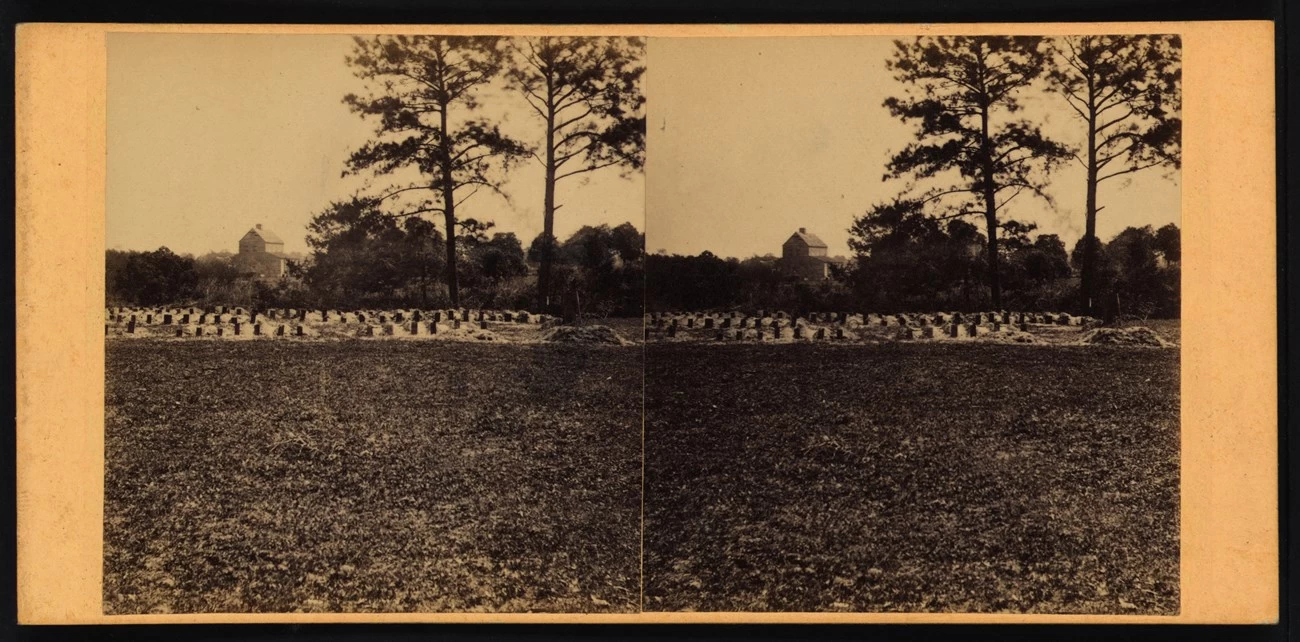
The site of the first observance of Memorial Day.
Additional resources
Black people may have started Memorial Day. Whites erased it from history.
Read it: Washington Post
One of the Earliest Memorial Day Ceremonies Was Held by Freed African Americans
Read it: History Channel
The Often Overlooked Black Origins Of Memorial Day
Read it: Essence
The First Memorial Day with David W. Blight
Watch it: New York Historical Society
Learn more about Major General John A. Logan
Learn more about the history of Memorial Day
Read about Memorial Day and the National Mall
Read an Ode to Memorial Day, written by Brigadier General Charles Young, the Army’s highest ranking Black officer until his death in 1922.
Read about DC’s Black Militias, the members of which often played a major role in Memorial Day observations.
Read about a Black Grand Army of the Republic Post in Massachusetts