


The Happy Day Club: A Refuge, a Stage, and a Community Lifeline in Segregation-Era Lewes
On the corner of West Fourth Street and DuPont Avenue, one family built something extraordinary — a place where Black residents could gather, heal, and be entertained, at a time when most doors were closed to them.
Long before West Fourth Street was renamed Dr. Martin Luther King Jr. Way, the corner of Fourth and DuPont Avenue in Lewes, Delaware held one of the most vital institutions in the region’s Black community: the Happy Day Club. Founded by Marshall Lockwood — whose family’s roots in Lewes stretch back generations through the Riley family lineage — the club operated out of the old Robinson’s Coliseum building and became a social and cultural cornerstone for African Americans throughout Sussex County during the era of segregation.
The club’s origins were humble. Lockwood and his wife Beatrice Williams ran a home-based speakeasy before local officials, in an unusual act of accommodation, arranged for the family to take over the Coliseum building. Under their management — and later that of their children, Isaac and Beatrice Brown — the Happy Day Club became far more than a nightspot. It hosted civic organizations, offered a space for community meetings, and, critically, provided medical care. During segregation, African Americans could not access Lewes’s hospital; the club became a place where they could receive physicals and immunizations that were simply unavailable to them elsewhere.
Don't Miss It!!!
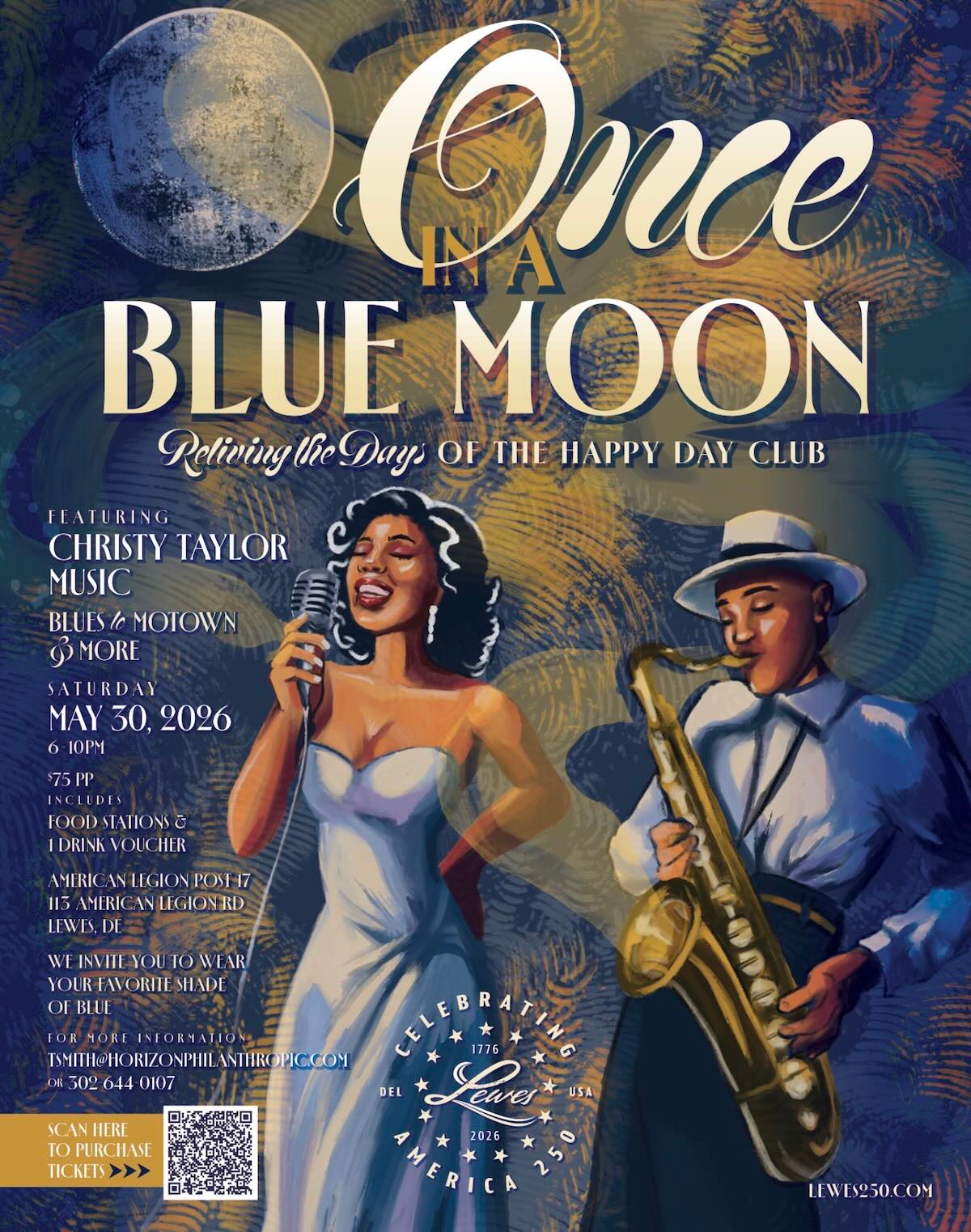
On May 30th 2026 Lewes250.com is honoring The Historic Happy Day Club with an evening of music from the era and beyond. Your ticket includes live entertainment, food, and one complimentary beverage.
Get ready for a delightful trip down memory lane—plus a few special surprises along the way. Tickets include food stations + a drink voucher.
The club was also a showcase for extraordinary musical talent. Performers drawn from across the Eastern Shore and beyond packed the venue night after night, drawing crowds that still speak of those evenings with reverence.
Notable performers
- Fats Domino
- James Brown
- Little Freddy King
- The Upsetters
James Brown performed at the club before his national breakthrough. Fats Domino brought his piano showmanship to the stage. Blues guitarist Little Freddy King and the Upsetters — the legendary backup band of Little Richard — all passed through, giving Lewes audiences front-row seats to some of the most important voices in American R&B and blues. That these artists performed in a small Sussex County club underscores the broader geography of the Chitlin’ Circuit, the network of venues across the South and border states that gave Black performers safe and welcoming spaces to work and build their careers.
The Happy Day Club’s story ended in fire — the building was destroyed in a blaze whose cause was never definitively determined. What remains is oral history, carefully preserved by Lockwood’s granddaughter, Lewes resident Trina Brown-Hicks, who has spent years interviewing community elders and presenting the club’s history at public events. The club’s former site is now included in the Lewes Historical Society’s African American heritage walking tour, a recognition that this history — long overlooked — is inseparable from the full story of Lewes.
“Every time I talk to people who are in their 70s and 80s,” Brown-Hicks has said, “they tell me about the Happy Day Club and what a good time they had.” That joy, born out of necessity and resilience, is itself a form of resistance worth remembering.
Sources
- Sharp, Andrew. “Remember the Happy Day Club in Lewes.” Cape Gazette, September 15, 2022.
- Capegazette.com. “African American History Tour Debuts in Lewes.” Cape Gazette, March 31, 2022.
- Capegazette.com. “Research Brings African American History into Focus.” Cape Gazette, May 26, 2022.
- Lewes Historical Society. African American Heritage Walking Tour. historiclewes.org.
- Hagley Museum and Library.

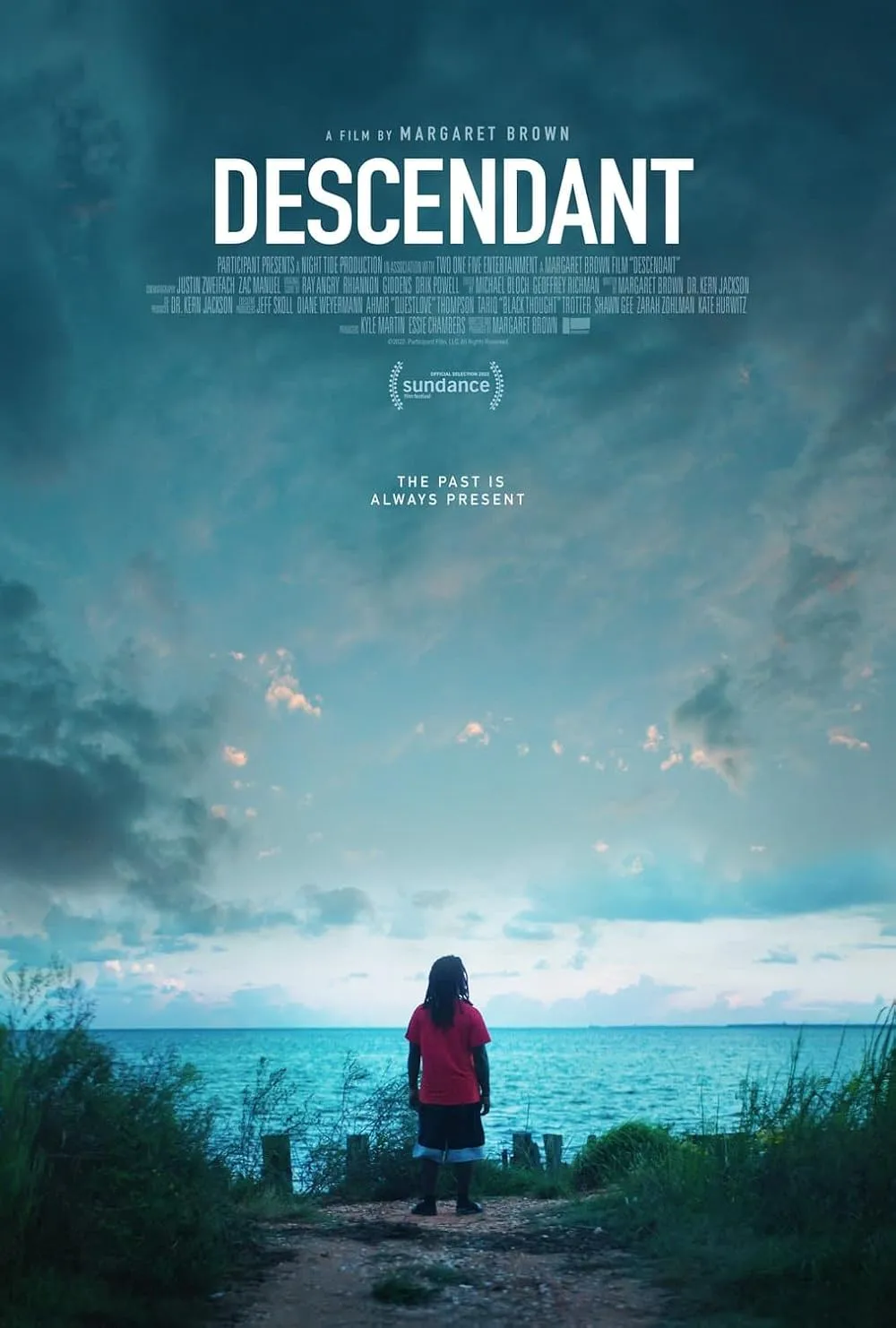
SDARJ's Monthly Book & Film Discussion
The SDARJ Book & Film Discussion was founded by Dr. Aimee Wiest and is hosted by the Lewes Public Library on the 4th Tuesday of every month.