African Americans in Sussex County: People, Places, and the Long Struggle for Justice
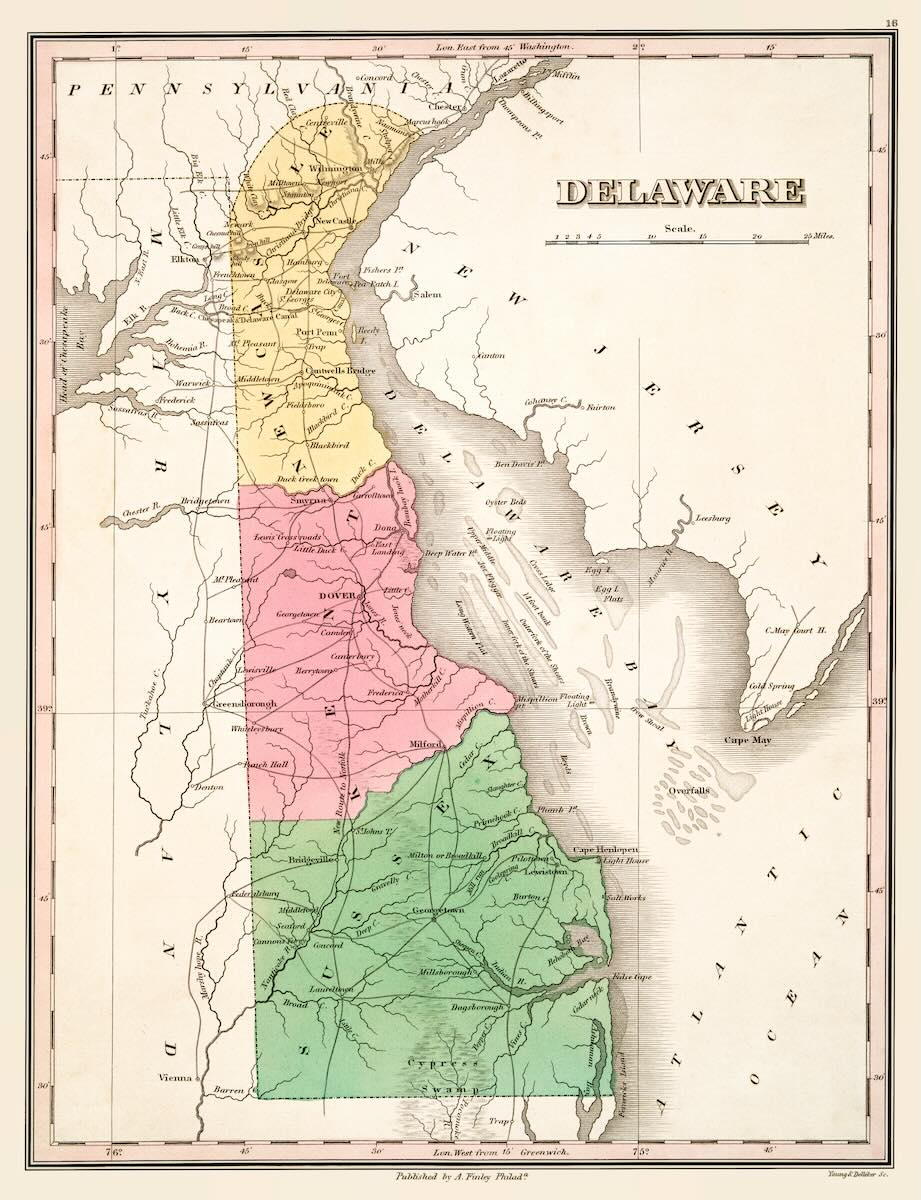
The history of African American people in Sussex County is not only a story of communities and institutions, but also of individuals whose lives and leadership shaped Delaware and, in some cases, the nation. From the era of slavery and the Underground Railroad to modern civil rights advocacy and political leadership, Black residents of towns such as Lewes, Rehoboth Beach, Milton, Milford, Bridgeville, Laurel, Seaford, and Georgetown have played a defining role in the county’s development.
Early presence and the Underground Railroad
African Americans have lived in Sussex County since the colonial era, working in agriculture, maritime trades, and domestic labor under both slavery and freedom. Delaware’s position as a border state created a complicated landscape: slavery persisted into the Civil War, yet free Black communities also grew in Delaware.
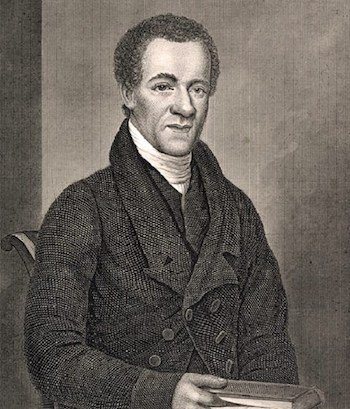
Samuel Cornish of Sussex was the co-founder of “Freedom’s Journal,” the first Black owned and operated newspaper in America. It was published in 1827. His co-founder was John Russworm. The first line in the publication was “We seek to plead our own cause.”
The state of Delaware had 19,829 free Black people and 1,798 enslaved people in 1860. Sussex County had the vast majority of Delaware’s enslaved people. With an estimated 1,341 enslaved people and 4,370 free Blacks. The strong abolitionist influence from Philadelphia led to high percentages of free versus enslaved people.
The county was part of the Underground Railroad network, and Harriet Tubman—though most closely associated with Maryland’s Eastern Shore—traveled through and near Sussex County during her rescue missions. Routes through areas near Seaford, Laurel, and Bridgeville took advantage of wooded terrain, waterways, and the presence of free Black residents who offered shelter and guidance. Oral traditions and later historical research suggest that Sussex County was one of the perilous but vital corridors connecting Maryland to freedom farther north.
Building institutions after emancipation
Following the Civil War, African Americans across Sussex County focused on land ownership, education, and church life. Independent Black communities emerged near towns such as Lewes, Milton, Georgetown, and Laurel, often forming just outside white population centers due to segregation and exclusion.
Churches became centers of worship, education, and political organizing. At the same time, Black parents pushed relentlessly for schooling, even when resources were scarce. Listed below is a list of “colored schools” built by Pierre DuPont in Sussex County.
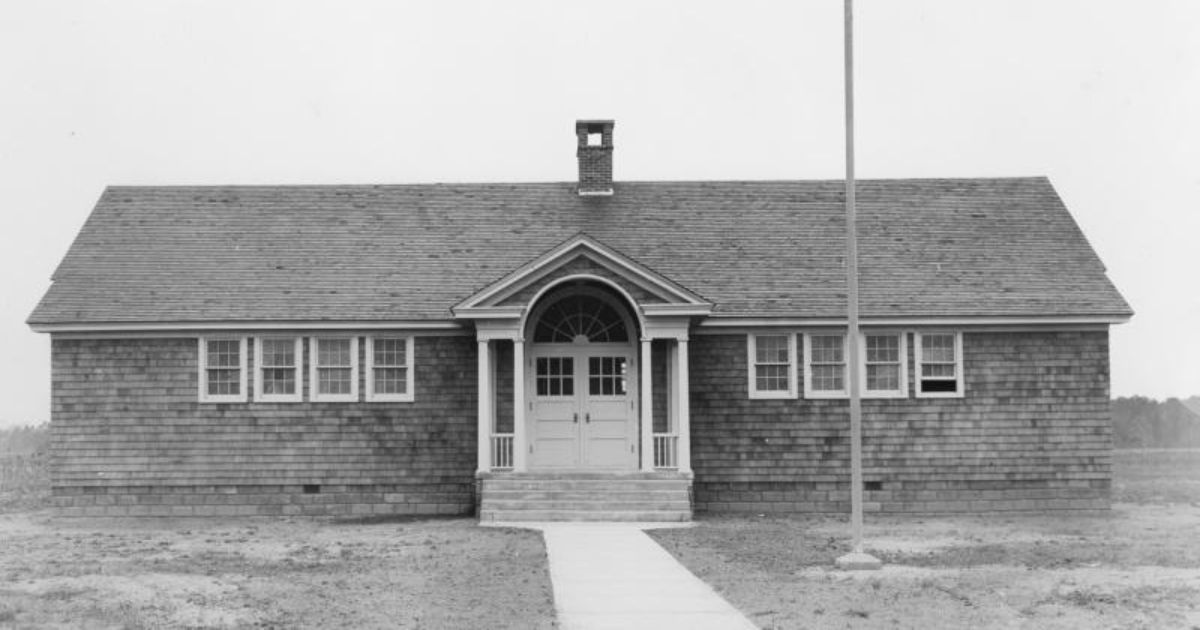
Sussex County “Colored” Schools Built with Pierre S. du Pont Funding
- Rabbit’s Ferry School – near Lewes; one-room schoolhouse built for African-American students.
- Nassau School – near Five Points outside Lewes; two-room school.
- Rehoboth Colored School – Rehoboth Beach area, built in the early 1920s.
- DuPont Avenue School (Frederick Thomas Building) – Lewes; brick school still in use.
- Richard Allen School – Georgetown; brick school, now a community facility.
- Frederick Douglass Elementary School – Seaford; brick school still used by the district.
- Paul Dunbar School – Laurel; brick structure used into recent decades.
- Selbyville Colored School – Handy Lane; now part of Zoar United Methodist Church.
- Slaughter Neck School – near Lincoln; used as community center.
- Ellendale Colored School – at North Old State Road & North 1st Street; now church facility.
- Warwick-Johnson School – near Long Neck; one-room school repurposed as a church.
- Warwick-Harmon School – near Oak Orchard Road; built for Nanticoke Indian students and now a tribe museum.
- Frankford School – Frankford School Road; two rooms plus addition (later George Washington Carver Academy).
- Blocksom School – Atlanta Road, west of Seaford; destroyed by fire but originally a two-room structure.
- Concord School – School Road near Seaford; two-room school (collapsed 2000).
- Lincoln Colored School – Marshal Street; demolished in the late 1970s.
- Rehoboth Beach (Oyster House Road) Two-Room School – later moved and used by Faith United Methodist Church.
- Delmar (Jewell Street) School – one room; demolished late 1960s.
- Drawbridge (Cool Spring) School – Joseph Road; one room, demolished 2019.
- Milton Colored School – Route 16; collapsed 2006.
Jason High School: a center of Black education and leadership
Among the most significant institutions was Jason High School in Georgetown, one of Sussex County’s most important secondary schools for African American students during segregation. Jason High did far more than educate—it produced leaders, professionals, and activists who carried its influence well beyond county lines.
Milford and the fight to desegregate
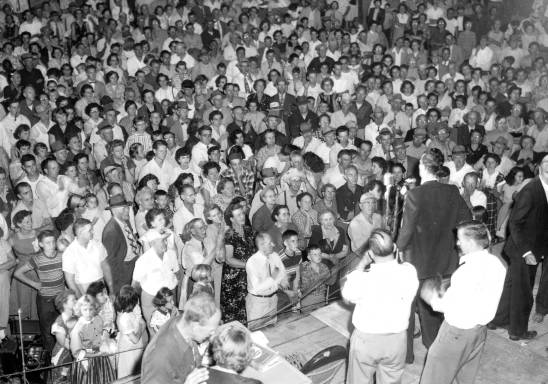
The struggle to desegregate schools was particularly intense in Milford, where African American families played a central role in challenging segregation. In fact the Milford school system was one of the plantiff’s in the Brown versus the board of Education groundbreaking 1954 Decision. Milford was one of the flashpoints in Delaware’s broader legal battles over public education, with Black parents demanding equal access to schools and resources long denied to their children.
Desegregation brought new opportunities, but also consequences: Black schools were closed, Black principals and teachers lost positions, and long-standing community hubs disappeared. The Milford experience mirrored similar transitions across Sussex County, illustrating the emotional and social costs of integration alongside its legal victories.
Political leadership and firsts
The late 20th and early 21st centuries marked new political milestones for African Americans in Sussex County. Laurel elected its first Black mayor, reflecting demographic change and decades of grassroots civic engagement in a town with deep Black agricultural and industrial roots. Similarly, Lewes made history by electing its first Black mayor, signaling a shift in a city long shaped by segregation and exclusion, particularly in housing and employment.
Lewes, Delaware had a high percentage of African Americans, a thriving Black community and even its own beach which has now been named Johnny Walker Beach.
These elections were not isolated events; they represented the culmination of generations of political organizing, voter registration drives, and community leadership cultivated in churches, schools, and civic organizations throughout the county.
Milton and a national voice: Bryan Stevenson

One of Sussex County’s most nationally influential figures is Bryan Stevenson, who was raised in Milton, Delaware. Stevenson went on to become a world-renowned civil rights attorney, founder of the Equal Justice Initiative, and a leading voice on mass incarceration, racial injustice, and the death penalty.
Stevenson has frequently cited his upbringing in southern Delaware as formative—particularly the lessons learned from elders who lived through segregation and insisted on dignity, education, and moral courage. His work connects Sussex County’s local history to national struggles for racial justice, reinforcing the county’s broader historical significance.
Coastal communities and exclusion
In Lewes and Rehoboth Beach, African Americans contributed to maritime labor, domestic work, and tourism while facing rigid segregation. Black neighborhoods such as South Rehoboth emerged as safe havens for residents and visitors alike, including Black vacationers barred from white-owned hotels and beaches.
These communities fostered businesses, churches, and cultural life that sustained Black coastal residents through decades of discrimination. Today, preservation efforts seek to protect these histories amid rapid development and rising property values.
A living legacy
African American history in Sussex County is not confined to the past. It lives in surviving school buildings, church congregations, family land, and oral traditions. It lives in elected officials, educators, and activists who continue to shape the county’s future.
From Harriet Tubman’s perilous journeys, to the classrooms of Jason High School, to the election of Black mayors and the national leadership of Bryan Stevenson, Sussex County’s Black history is a story of endurance, leadership, and moral clarity. It is not a side narrative—it is central to understanding the county itself.
Author
DO MORE 24
Take part in community giving. Your donation helps create real change! Do More 24 is an online fundraising event from:
March 5th at 6pm until March 6th 6pm



SDARJ Town Halls