


2026 Black History Month
2026 marks a century of national commemorations of Black history. Black History Month is an annually observed month-long celebration of African American life, History, and culture. Founded by Dr. Carter G. Woodson in February 1926.
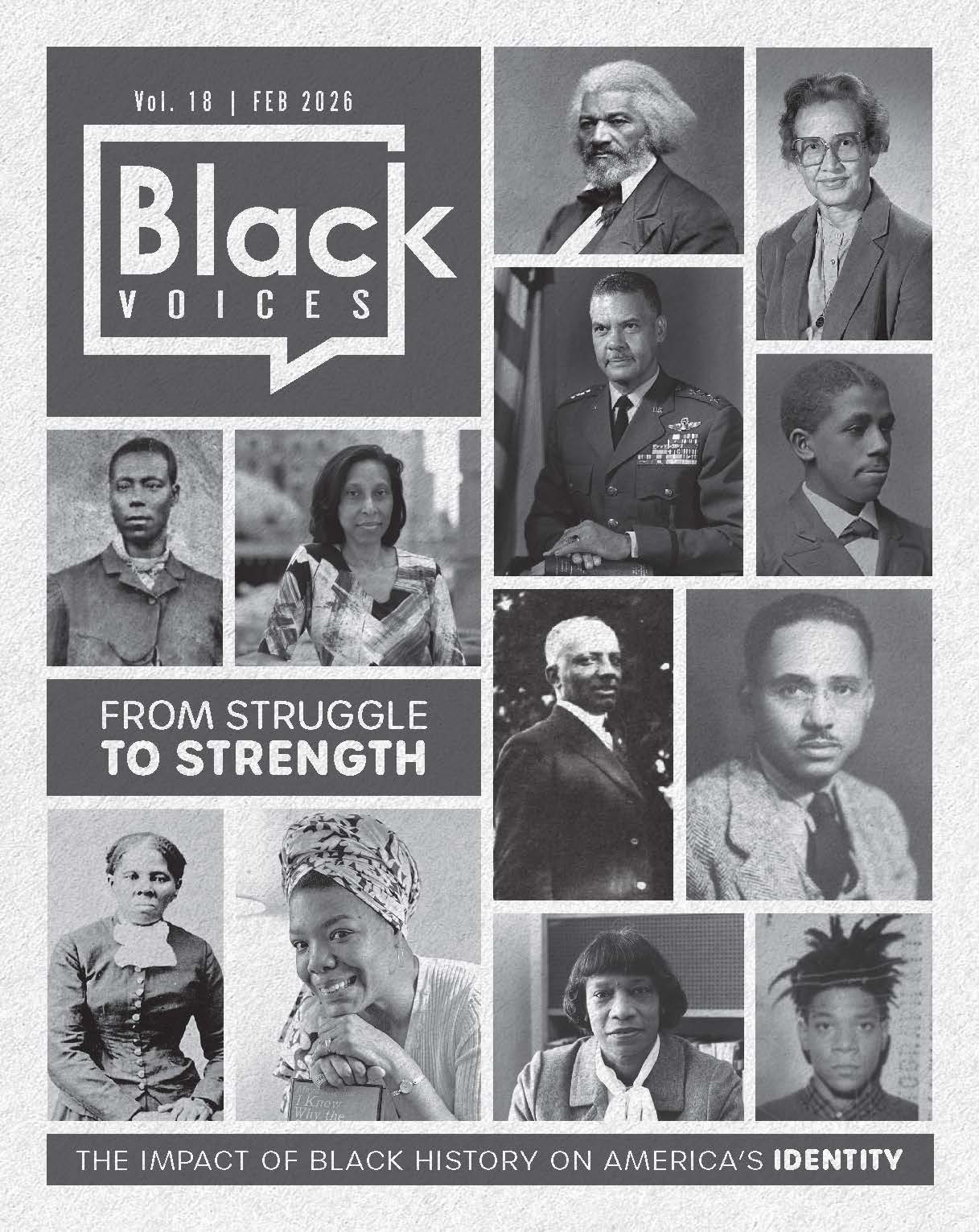

What is Black History Month
Black History Month is an annually observed month-long celebration of African American life, History, and culture. Founded by Dr. Carter G. Woodson in February 1926, what was Formerly known as Negro History Week became a month-long celebration as a way to promote, research, preserve, interpret, and disseminate information about Black life, History, and culture to the global community.
– Source

The History of Black History Month
The story of Black History Month begins in Chicago during the summer of 1915. An alumnus of the University of Chicago with many friends in the city, Carter G. Woodson traveled from Washington, D.C. to participate in a national celebration of the fiftieth anniversary of emancipation sponsored by the state of Illinois. Thousands of African Americans travelled from across the country to see exhibits highlighting the progress their people had made since the destruction of slavery. Awarded a doctorate in Harvard three years earlier, Woodson joined the other exhibitors with a black history display. Despite being held at the Coliseum, the site of the 1912 Republican convention, an overflow crowd of six to twelve thousand waited outside for their turn to view the exhibits. Inspired by the three-week celebration, Woodson decided to form an organization to promote the scientific study of black life and history before leaving town. On September 9th, Woodson met at the Wabash YMCA with A. L. Jackson and three others and formed the Association for the Study of Negro Life and History (ASNLH).
– Source
When Carter G. Woodson established Negro History week in 1926, he realized the importance of providing a theme to focus the attention of the public. The intention has never been to dictate or limit the exploration of the Black experience, but to bring to the public’s attention important developments that merit emphasis.
The 2026 Black History Month Theme A Century of Black History Commemorations
2026 marks a century of national commemorations of Black history. Dr. Carter Godwin Woodson, George Cleveland Hall, William D. Hartgrove, Jesse E. Moorland, Alexander L. Jackson, and James E. Stamps institutionalized the teaching, study, dissemination, and commemoration of Black history when they founded the Association for the Study of Negro Life and History (ASNLH) on September 9, 1915.
How to Celebrate Black History Month Shop, donate, volunteer, or be an advocate!





In 1925, when Dr. Carter G. Woodson planned the inaugural week-long observance of Black history, he could hardly have anticipated the imprint he would leave on the world. From Negro History Week to Black History Month, ASALH has carried forth the tradition, and the observances have become part of the warp and weft of American culture and increasingly the global community. For our 100th theme, the founders of Black History Month urge us to explore the impact and meaning of Black history and life commemorations in transforming the status of Black peoples in the modern world.
As part of the global African diaspora, people of African descent in the United States have viewed their role in history as critical to their own development and that of the world. Along with writing Black histories, antebellum Black scholars north of slavery started observing the milestones in the struggle of people of African descent to gain their freedom and equality. Revealing their connection to the diaspora, they commemorated the Haitian Revolution, the end of the slave trade, and the end of slavery in Jamaica. They observed American emancipation with Watch Night, Jubilee Day, and Juneteenth celebrations. Eventually they feted the lives of individuals who fought against slavery, most notably Abraham Lincoln and Frederick Douglass. The scholar Arthur A. Schomburg captured the motivation of Black people to dig up their own history and present it to the world: “The American Negro must remake his past in order to make his future.”
When Carter G. Woodson, as director of the Association, established Negro History Week, he did so as part of that tradition. Yet, by concentrating the attention of the American public on the scientific findings of historians, he sought to turn the commemorations more forthrightly into a far-reaching, organized, and sustained effort to transform how Black folks viewed themselves and how the world viewed them. Year after year, he built Negro History Week into an African American and American cultural institution. He set the themes and provided materials to illustrate the contributions people of African descent had made to the movement of history and modern culture. As his contemporary W. E. B. Du Bois put it, “He literally made this country … recognize and celebrate each year a week in which it studied the effect which the American Negro has had upon the life, thought and action in the United States. I know of no other man who in a lifetime has unaided built up such a national celebration.”
Since the passing of the founder, ASALH has continued his work, making Negro History Week and Black History Month an even more deeply rooted American institution. On February 10, 1976, during the United States Bicentennial, President Gerald R. Ford became the first president to issue a message recognizing Black History Month. Then in 1986, Congress passed Public Law 99-244 designating February as Black History Month. These efforts have made February the month when Black history finds its way not simply into the schools of the American nation, but also into cultural heritage sites (museums, archives, libraries, parks, etc.), public squares, workplaces, houses of worship, and homes across the land and across the oceans. These institutions offer sites to discover and learn more about African American history through programming, camps, book displays, and exhibitions.
To understand the modern world, especially nations where Black peoples form a significant population, one must grapple with the impact that the public observances have had on the past and the present. This year, when we are also commemorating the 250th anniversary of United States independence, it is important to tell not only an inclusive history, but an accurate one. We have never had more need to examine the role of Black History Month than we do when forces weary of democracy seek to use legislative means and book bans to excise Black history from America’s schools and public culture. Black history’s value is not its contribution to mainstream historical narratives, but its resonance in the lives of Black people.
Black History Month is an annual observance originating in the United States, where it is also known as African-American History Month. It has received official recognition from governments in the United States and Canada, and more recently has been observed in Ireland, and the United Kingdom. It began as a way of remembering important people and events in the history of the African diaspora. It is celebrated in February in the United States and Canada, while in Ireland, and the United Kingdom it is observed in October.
RESOURCES for School and Community Work

Our team is curating lists of resources and links to helpful sites as you complete homework assignments or collaborate with others in the community on projects that teach and inform about racism. The work is ongoing, and we hope you find it helpful. If you have recommendations, we welcome them.
For the complete Middle School, High School, and College Reading/Audio/Visual Lists click here.


SDARJ's Monthly Book & Film Discussion
The SDARJ Book & Film Discussion was founded by Dr. Aimee Wiest and is hosted by the Lewes Public Library on the 4th Tuesday of every month.